Pixel Flow Level 86 Solution Walkthrough | Pixel Flow 86

How to solve Pixel Flow level 86? Get instant solution for Pixel Flow 86 with our step by step solution & video walkthrough.

Share Pixel Flow Level 86 Guide:
Pixel Flow Level 86 Gameplay
Pixel Flow Level 86 Solution 1
Pixel Flow Level 86 Solution 2
Pixel Flow Level 86 Solution 3

Pixel Flow Level 86 Overview

The Board Layout and Color Layers

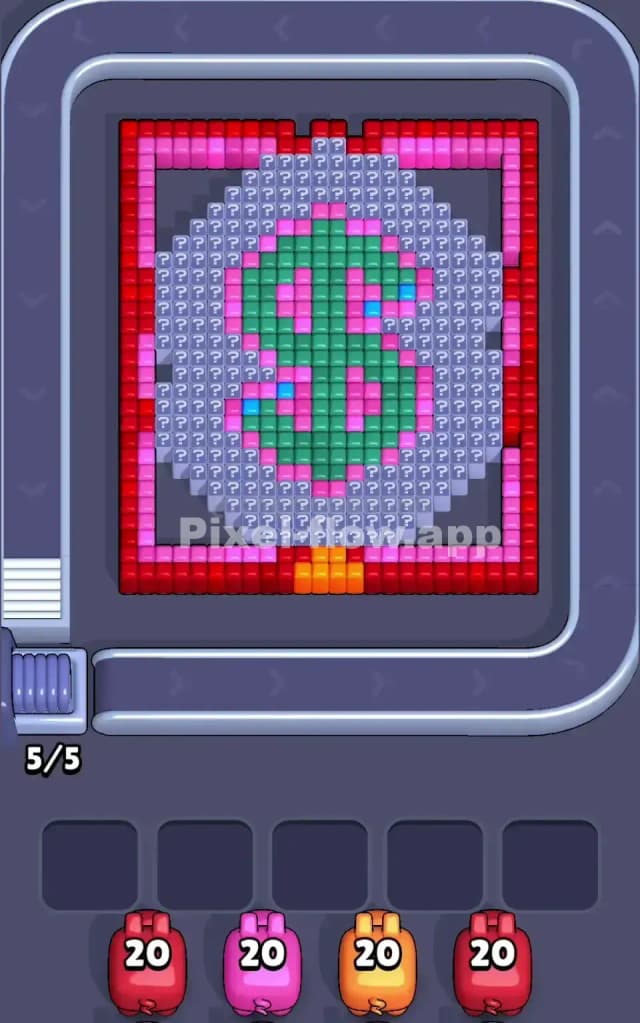
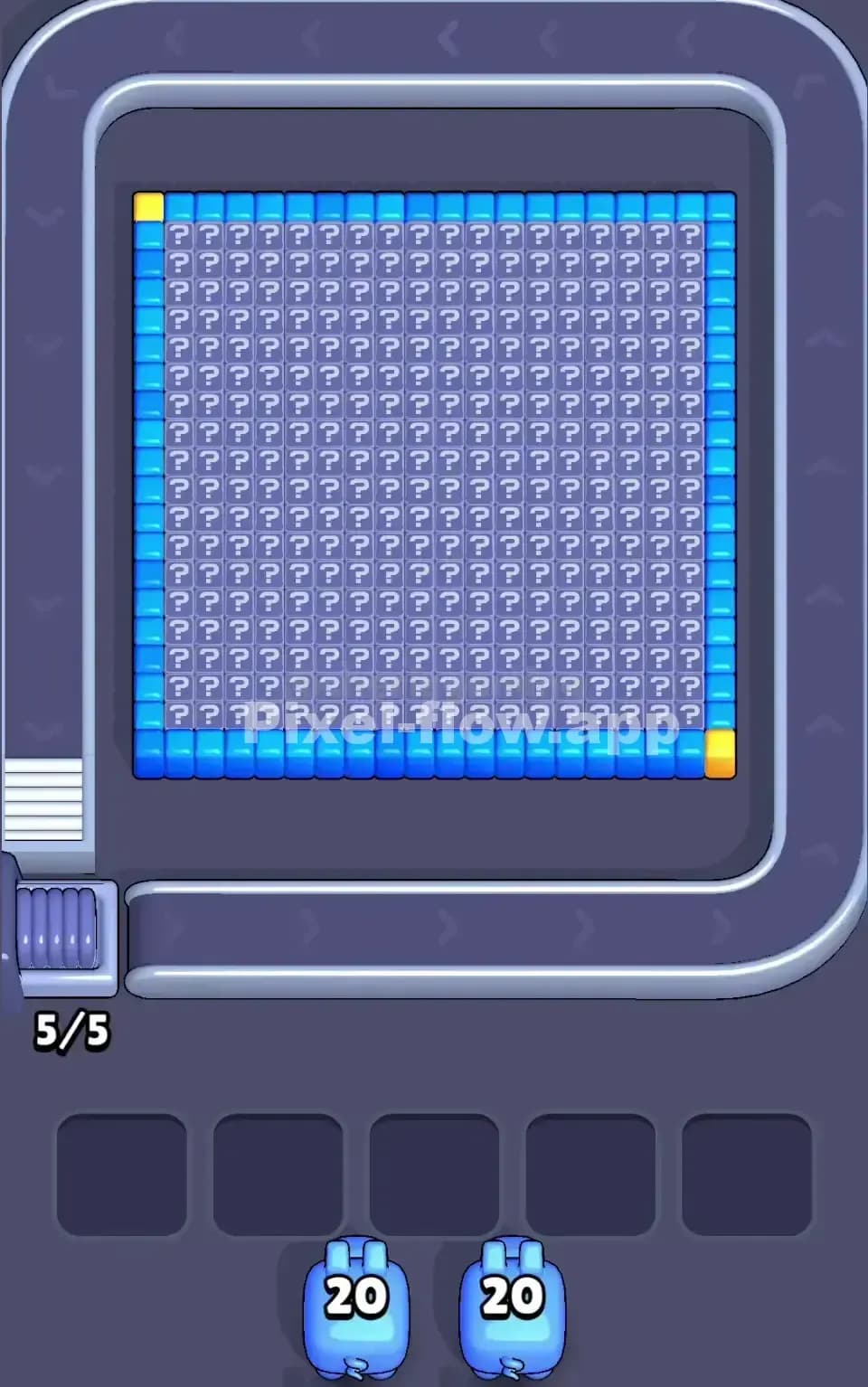
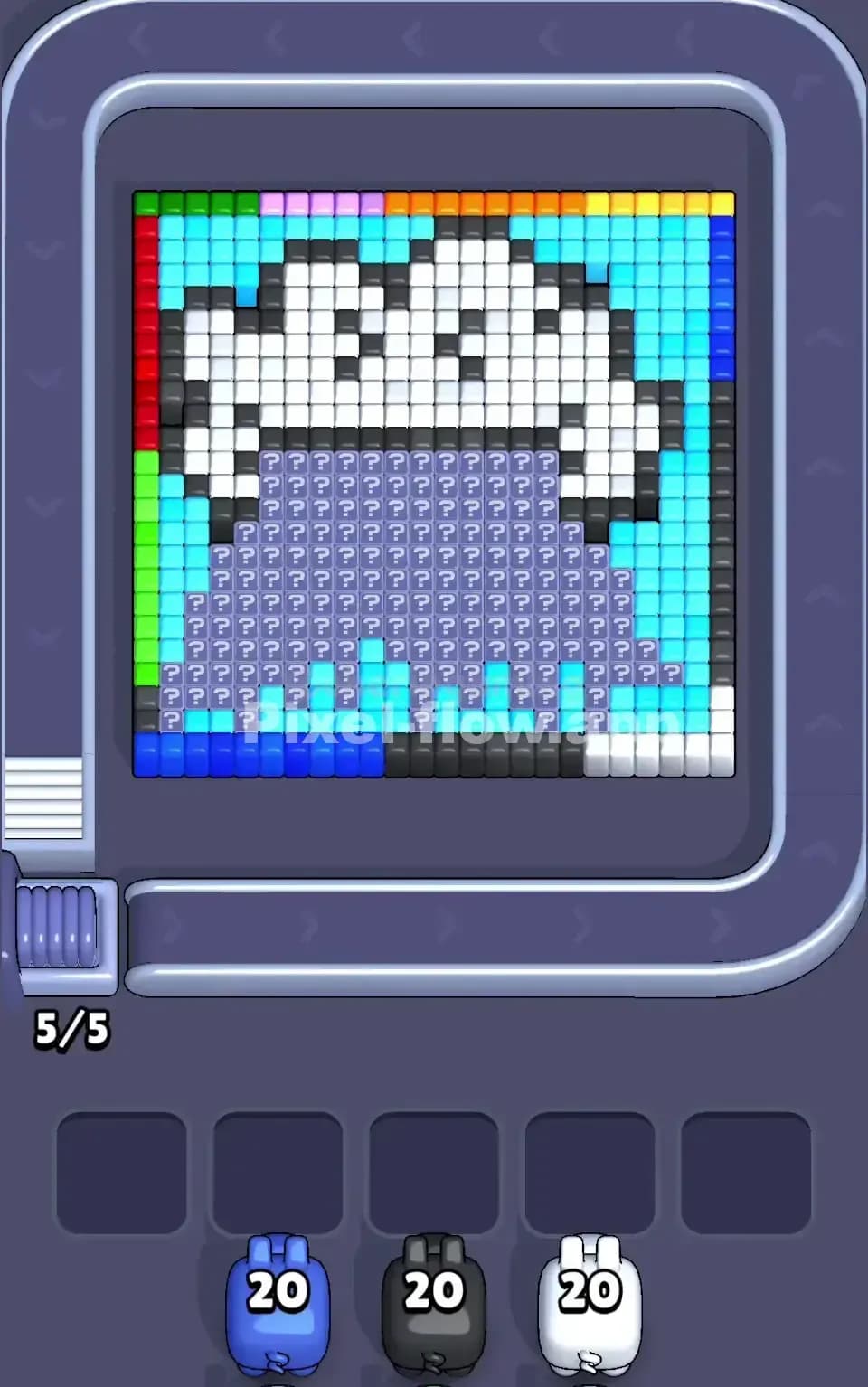
Pixel Flow Level 86 presents a challenging multi-layered voxel composition with a heart design as the central focal point. The board is dominated by red cubes forming the outer frame and base layer, while magenta (bright pink) creates an intermediate ring around the core. Inside, you'll find a verdant green heart shape, studded with smaller magenta and cyan accents that form the final, most intricate layer. The entire puzzle is surrounded by a sea of light gray question-mark blocks that represent the deepest hidden layer—these blocks won't become valid targets until you've systematically cleared away all the overlying colors. Understanding this three-dimensional structure is essential; you're not just looking at a flat picture, but rather peeling back layers of voxels, each one waiting for its corresponding pig to arrive at the conveyor belt.

Win Condition and Deterministic Mechanics

To clear Pixel Flow Level 86, you must eliminate every single colored cube on the board. Your toolkit consists of four pigs, each with a fixed ammo count of 20. Red pigs fire red cubes, magenta pigs fire magenta cubes, orange pigs fire orange cubes, and so on. The conveyor belt is fully deterministic—the order of pigs never changes, and each pig's ammo supply is immutable. Your job is to sequence your pig releases strategically so that every cube finds a matching-color target and gets destroyed before all your waiting slots fill up with stranded pigs. This is where Pixel Flow Level 86 becomes genuinely puzzle-like: you can't brute-force your way through; you must plan ahead and respect the mathematics of ammo consumption.

Why Pixel Flow Level 86 Feels So Tricky

The Gray Question-Mark Bottleneck

The biggest threat in Pixel Flow Level 86 is the enormous quantity of gray question-mark blocks buried in the deepest layer. These blocks are completely invisible until you've cleared red, magenta, green, cyan, and orange from the surface. But here's the cruel catch: you have no gray pig. That means once all colored cubes are gone, those gray blocks will persist, and there's nothing you can do about them—except that's not actually the case. On closer inspection, the gray blocks are a visual red herring; they're locked behind the layers you must clear first. Your real bottleneck is managing the mid-game transition when you've partially exposed the core heart, but some pigs still have ammo left and no valid targets. If you're careless, you'll park three or four pigs in your waiting slots with nothing to shoot, and then when the next pig arrives, you're stuck in a dead state.

Awkward Color Patches and Ammo Mismatches

Pixel Flow Level 86 loves to hide small clusters of magenta and cyan cubes deep within the green heart. These aren't randomly placed—they're strategically distributed to force you into tough sequencing decisions. You might have a magenta pig with 15 ammo remaining, but all the remaining magenta targets are buried behind green cubes. If you fire your magenta pig too early, it'll jam into a waiting slot with unspent ammo. Similarly, the orange cubes in the bottom center are few in number, and your orange pig has a full 20-ammo magazine. You'll need to carefully expose just enough targets so your orange pig can spend its ammo without overshooting or getting stranded. This mismatch between pig order and target visibility is what makes Pixel Flow Level 86 feel unfair at first—but it's actually a puzzle waiting to be solved, not a random gauntlet.

The Personal Friction Point

I'll be honest: my first five attempts at Pixel Flow Level 86 felt hopeless. I kept firing pigs reactively, watching them pile up in the waiting slots, and then watching the inevitable jam appear in the final third. The frustration spike came around move 12, when I had two partially-spent pigs sitting idle and no way to clear them without opening up new targets. But then the breakthrough came when I stopped thinking in terms of "which color should I shoot next?" and started thinking in terms of "which colored layers do I need to expose, and in what order do my pigs need to arrive to make that happen?" That shift in perspective—from reactive to proactive—is when Pixel Flow Level 86 clicked, and the solution became clear.

Step-by-Step Strategy to Clear Pixel Flow Level 86

Opening: Establish Board Control and Preserve Slots

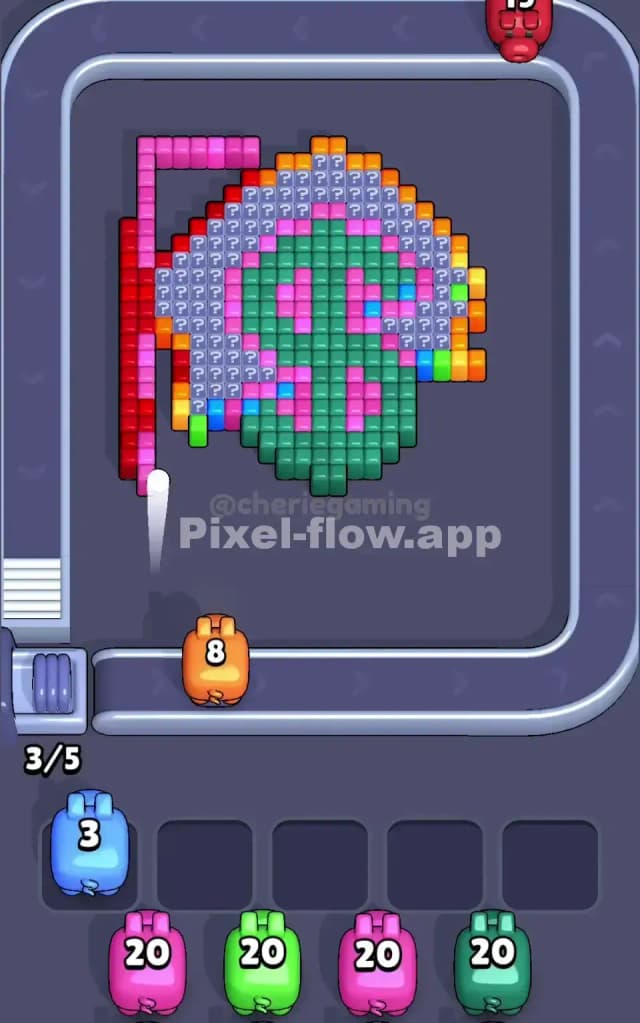
Start by firing your first red pig onto the board. Red dominates the outer frame and bottom section of Pixel Flow Level 86, so this pig will immediately find dozens of valid targets. Let it spend ammo freely—you should aim to burn through at least 15 of its 20 ammo on the opening volley. Your goal here isn't to clear all red cubes; it's to expose the magenta layer beneath and to confirm that your waiting slots stay mostly empty. After red has done its work, hold for a moment and observe the board state. If you've successfully exposed magenta patches around the heart's perimeter, you're on track. If red somehow jammed and you're seeing a waiting slot fill, you may have miscalculated—but more likely, you've simply revealed that your first pig needed a bit more space. Never fill more than one waiting slot in the opening phase. Keep at least three slots free as a safety buffer.

Mid-Game: Layer Exposure and Ammo Precision

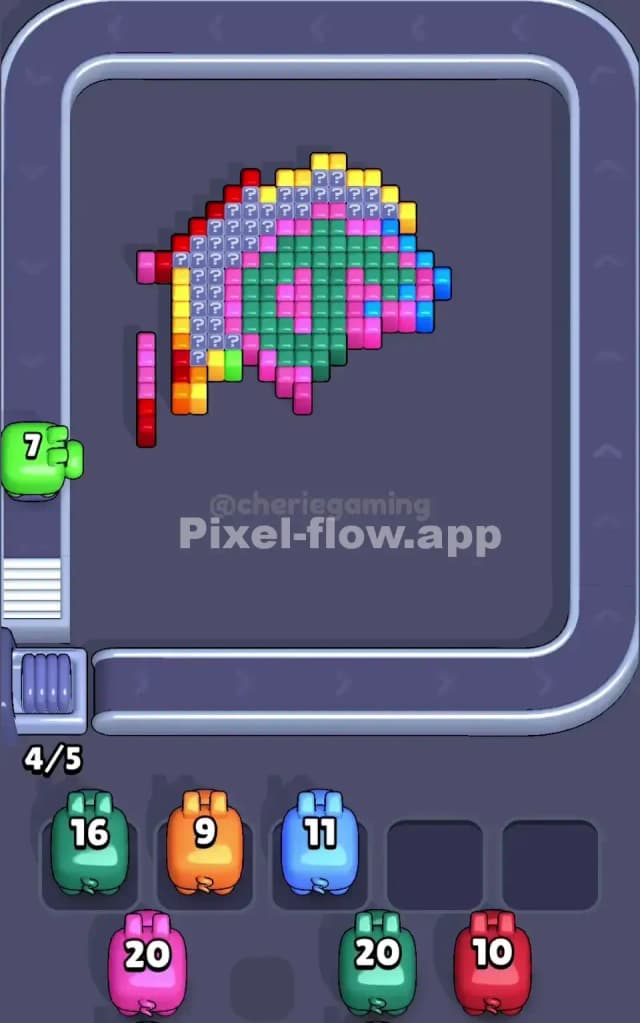
Once red has settled, fire your magenta pig into the queue. Magenta appears as secondary frames and accent patches throughout Pixel Flow Level 86, and your magenta pig should have many targets waiting. Here's the key: magenta will also start revealing the interior green heart, which is the centerpiece of the entire puzzle. As magenta burns through its 20 ammo, watch for pockets of green becoming visible. The magenta pig might not spend all 20 ammo on this run—and that's actually fine, as long as it's not stranded. If magenta gets stuck with 3 or 4 remaining ammo, park it in a waiting slot and continue. Fire your orange pig next. The orange section in Pixel Flow Level 86 is small and concentrated at the bottom-center, so your orange pig will likely dump its entire 20 ammo and clear completely. This is a relief point in the puzzle; one less pig to worry about. After orange finishes, the green heart should be substantially exposed, along with internal magenta and cyan accents. Now fire a second magenta pig (or your remaining pig) to finish clearing the magenta cubes that were shielded by green. The layering mechanic is your ally here: each color removal exposes the next, and if you sequence correctly, you'll never run out of targets.

End-Game: Final Color Elimination and Buffer Evacuation

By the end-game phase of Pixel Flow Level 86, you should have cleared red and orange, and you should be deeply into magenta and green with cyan pockets visible. Your remaining pigs will target cyan and any lingering magenta or green cubes. The final stretch is all about precision: you want each pig to exit with zero remaining ammo. Count your remaining cubes carefully. If you have, say, 12 green cubes and 8 cyan cubes still on the board, and you have two pigs left with 20 ammo each, you've got breathing room. Fire deliberately and watch the board collapse layer by layer. The moment you destroy the last target, Pixel Flow Level 86 clears, and those gray question-mark blocks below are irrelevant—they were never your problem. The key to avoiding a last-second jam is never overfilling your waiting slots mid-game. By maintaining a two-slot buffer through the middle section, you ensure that your final pigs can always land and spend their ammo on exposed targets.

The Logic Behind This Pixel Flow Level 86 Plan

Exploiting Pig Order and Deterministic Ammo

The reason this strategy works for Pixel Flow Level 86 is that it respects the fundamental constraint: your pig order is locked, and each pig's ammo is fixed. You can't change when red arrives or make magenta appear twice in a row. What you can do is plan your exposures so that by the time each pig arrives at the conveyor belt, the targets it needs are already visible. Red removes the outer frame and exposes magenta and green. Magenta continues removing its own color and further exposes green and cyan. This cascading exposure is not an accident; it's baked into the puzzle design. By firing pigs in the intended sequence and allowing each to spend most of its ammo before parking any remainder, you're working with the puzzle's architecture, not against it. Pixel Flow Level 86 rewards foresight, not muscle memory.

Staying Calm and Counting Two Pigs Ahead

The mental skill that separates struggling players from Pixel Flow Level 86 victors is the ability to stay calm and count ammo. Before you fire each pig, glance at the queue and ask yourself: "How many matching targets are currently exposed? Is this pig going to run out of targets and jam?" If the answer is uncertain, wait—fire the current pig partway, park it, and let the next pig do some exposure work first. Never panic-fire a pig hoping something works out. Pixel Flow Level 86 has tight margins, and recklessness will fill your waiting slots. Instead, cultivate the habit of looking two pigs ahead. While your red pig is firing, think about where magenta will land and what it will do. While magenta is spraying, mentally map out orange's targets. This forward-thinking approach turns Pixel Flow Level 86 from a chaotic scramble into a satisfying, logical puzzle. The victory comes not from luck, but from respecting the game's deterministic nature and making intentional decisions.