Pixel Flow Level 346 Solution Walkthrough | Pixel Flow 346

How to solve Pixel Flow level 346? Get instant solution for Pixel Flow 346 with our step by step solution & video walkthrough.

Share Pixel Flow Level 346 Guide:
Pixel Flow Level 346 Gameplay
Pixel Flow Level 346 Solution 1
Pixel Flow Level 346 Solution 2
Pixel Flow Level 346 Solution 3

Pixel Flow Level 346 Overview

The Board and Its Pixel Art Subject

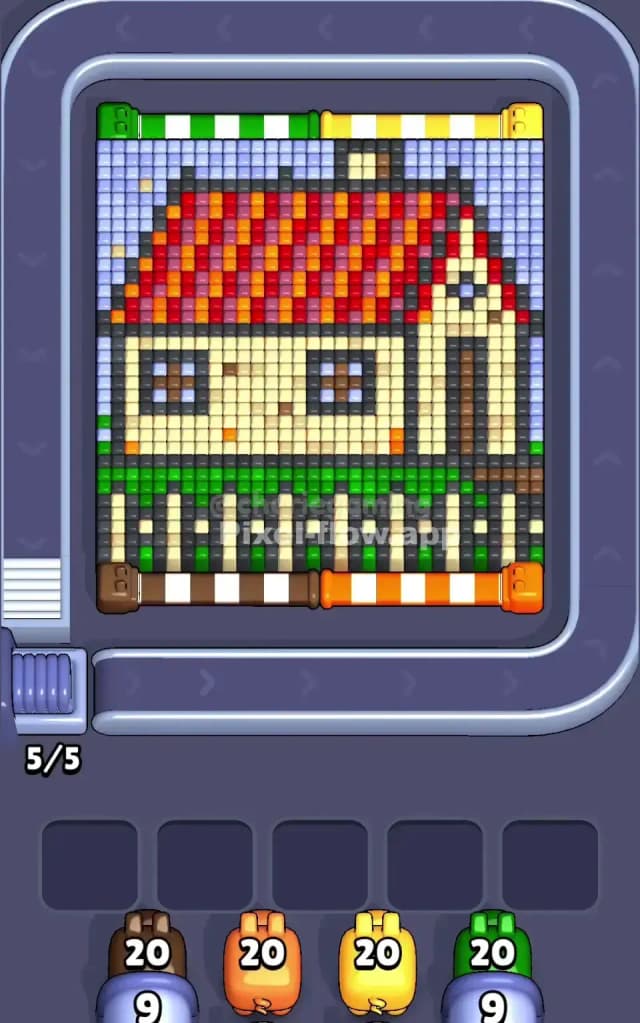
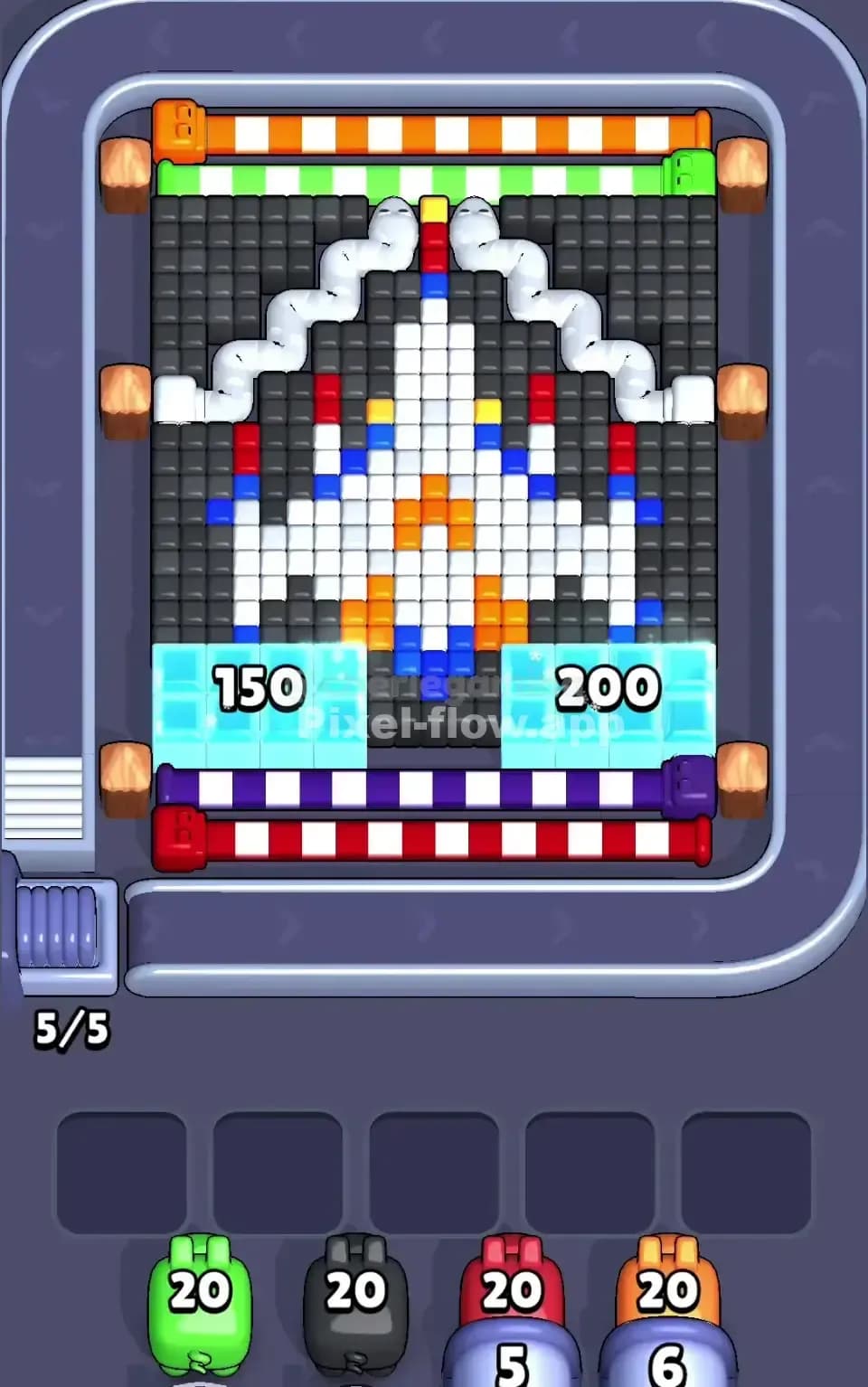
Pixel Flow Level 346 presents a charming pixel art character—a cute, round-faced figure with a distinctive crown or hat, rendered in vibrant layers of magenta, pink, dark gray, white, orange, and yellow. The character's face dominates the center of the board, with a large white circular area forming the main canvas, surrounded by intricate border work in magenta and pink. Above the face sits a golden yellow band (like a crown or headpiece), framed by dark gray and more magenta detailing. Below, you'll notice additional layers of color that create depth and visual complexity. The board feels densely packed, which is exactly what makes Pixel Flow Level 346 so deceptively challenging. You're not just clearing colors—you're systematically peeling back layers to expose what lies underneath, and that requires precision planning from the very first move.

The Win Condition and Deterministic Nature

Your goal in Pixel Flow Level 346 is straightforward: eliminate every single voxel cube on the board. However, the path to victory isn't intuitive. You have four pigs lined up in the queue, each with a fixed ammo count that never changes. The white pig carries 10 ammo, the dark gray carries 20, another white carries 10, and the final white carries another 20. That's 60 total shots across all pigs combined. The board contains exactly 60 cubes (or thereabouts), so mathematically, there's zero room for waste in Pixel Flow Level 346. Every single shot from every pig must hit a valid target, or you'll end up jamming your waiting slots with pigs that can't spend their remaining ammo. This deterministic nature means there's one optimal solution—you just need to find it through careful observation and sequencing.


Why Pixel Flow Level 346 Feels So Tricky

The Magenta and Pink Bottleneck

Here's where Pixel Flow Level 346 becomes genuinely frustrating: the magenta and pink cubes form an enormous border around the entire character, and they're scattered throughout the design in ways that don't match the ammo counts of corresponding pigs perfectly. You'll notice that pink and magenta occupy probably 30–35% of the board's real estate, yet you might not have a pink or magenta pig available with sufficient ammo to clear them all in one sweep. This creates a cascading problem. If you start with a pig that can't fully clear its color before a deeper layer is exposed, you'll trap yourself. Magenta especially forms the outer shell, so you're almost forced to deal with it early—but doing so without the right pig in the right order can cause a catastrophic jam. The border work is beautiful to look at, but strategically, it's a minefield in Pixel Flow Level 346.

The White Face and Secondary Color Scatter

The white circular face is enormous and should feel like the centerpiece, but here's the catch: white appears in multiple places, and some white cubes sit behind magenta or pink layers. You have two white pigs, each with 10 ammo, totaling 20 white shots. That sounds sufficient until you realize that some white cubes won't be visible until you've cleared overlaying colors. If you fire your first white pig too eagerly at the exposed white areas, you'll have 10 shots left for the second white pig, and that might not be enough to finish the job once deeper whites reveal themselves. This is a classic Pixel Flow Level 346 trap: visible ammo doesn't equal solvable ammo.

The Dark Gray Anchor

The dark gray pig carries a hefty 20 ammo, which is excellent, but dark gray appears sporadically—some in the crown area, some in the border, some perhaps hidden layers deep. If dark gray cubes are scattered across multiple "depths" of the pixel art, you might activate the dark gray pig when only 5 or 6 dark grays are visible, leaving it with 14–15 ammo and nowhere to spend it. That pig then drops into your waiting slots, and suddenly, you've lost a critical buffer. I remember the first time I attempted Pixel Flow Level 346, I rushed the dark gray pig out of sheer impatience, and by move three, I had three pigs sitting in the waiting area with ammo to spare. That's when it clicked for me: you have to count visible targets before activating any pig.


Step-by-Step Strategy to Clear Pixel Flow Level 346

Opening: Expose Without Clogging

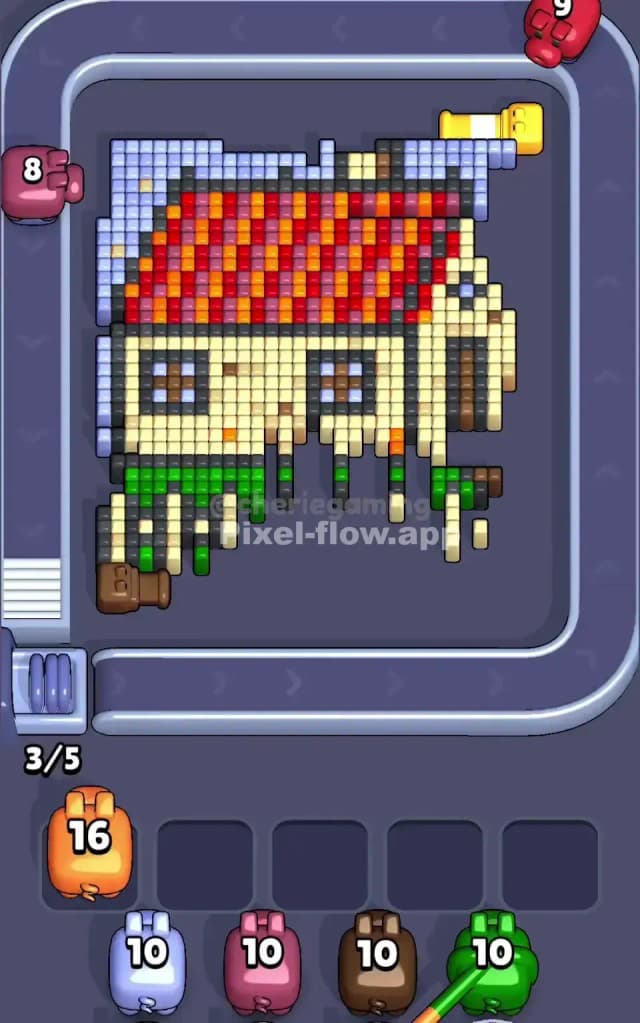
Start by targeting the outermost, most densely packed color first—and that's the magenta and pink border. However, don't activate a pig immediately. Instead, look carefully at where these cubes concentrate. The magenta forms much of the external frame, so you need a pig with enough ammo to clean a meaningful section without getting stuck. If you have a magenta pig in your queue (which the display suggests you might not directly), you'll need to work around this creatively. Instead, begin with the orange cubes clustered in the crown and face regions. Orange appears in manageable, defined patches, and clearing it won't open up a cascade of buried colors that you can't handle. This gets at least one pig through quickly, keeps two waiting slots free, and buys you information about what's underneath. Your goal in the first two or three moves of Pixel Flow Level 346 is to clear one complete color tier without filling more than one waiting slot.

Mid-Game: Layering and Ammo Discipline

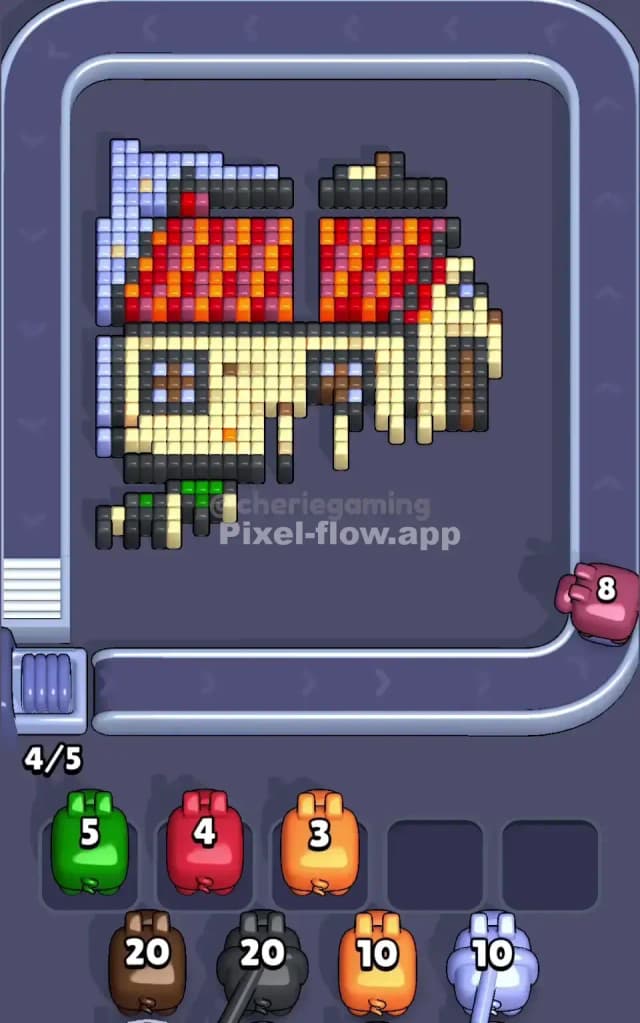
Once you've cleared orange (or whichever opening color you choose), you'll expose secondary colors hiding beneath. This is where Pixel Flow Level 346 demands serious discipline. Count the visible cubes of each color before you commit a pig. If you see 8 yellow cubes but your yellow pig has 15 ammo, don't activate it yet. Keep scrolling your queue mentally. Wait until more yellow is revealed or until you're certain that those 8 visible yellows are truly all the yellows on the board. In the mid-game phase, you'll also notice that the white face and interior details start becoming accessible. Here's the critical move: use your dark gray pig (the 20-ammo powerhouse) on dark gray cubes that appear in the upper crown area and in the face's interior details. Dark gray acts as a "layer breaker"—removing it exposes the whites and other interior colors beneath. This is one of the most important sequencing moments in Pixel Flow Level 346. If you can clear dark gray cleanly, the path forward opens up significantly. Keep at least one waiting slot free at all times during this phase. If you ever fill all five slots, you've failed.

End-Game: The Final Stretch and Slot Management

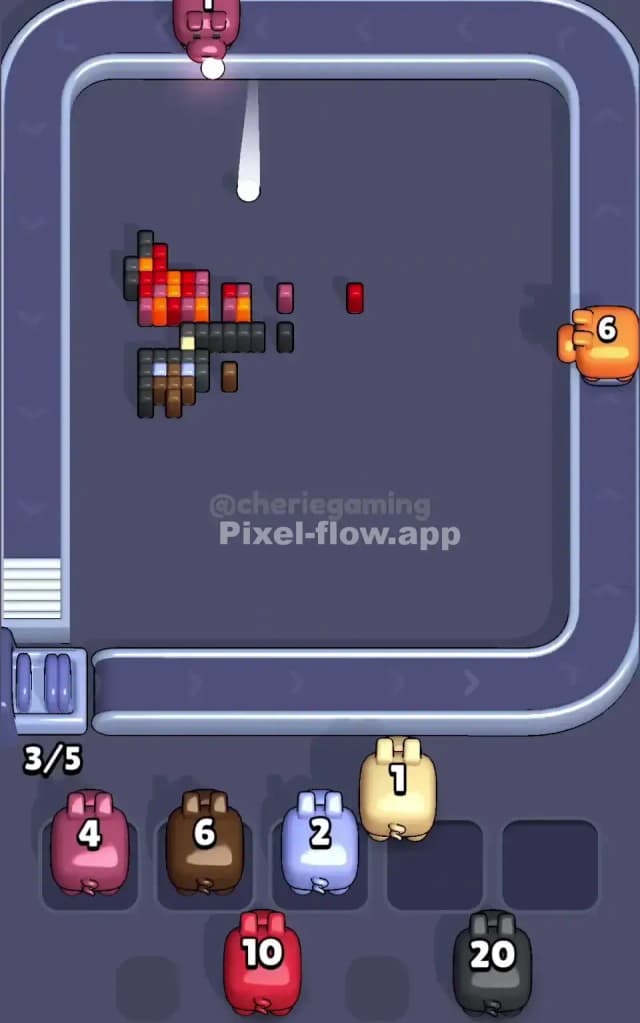
As you near the end of Pixel Flow Level 346, you'll have two or three pigs left in the queue, and the board will be mostly white, light colors, and any remaining scattered pieces. This is where ammo accounting becomes obsessive. You need to know exactly how many white cubes remain visible and how much white ammo you have left. If your math says 12 white cubes are visible but both white pigs combined have 20 ammo remaining, you're golden—no stuck pig. Execute the pigs in order, watching the waiting slots the entire time. The last few moves should feel "clean"—pigs going out, hitting all their targets, and the board emptying progressively. If you ever reach a state where a pig is about to activate but you know it'll be stuck, restart. Pixel Flow Level 346 has no margin for error, and the last thing you want is a demoralizing failure two moves from victory because you didn't anticipate a 3-ammo overshoot.


The Logic Behind This Pixel Flow Level 346 Plan

Pig Order Exploitation and Ammo Counting

The genius of Pixel Flow Level 346 lies in the fact that pig order is fixed. You cannot reorder them; you can only choose when to activate each one. This means your strategy revolves around understanding what each pig will see when it emerges. If you activate pigs in a sequence that progressively exposes new colors, each subsequent pig in the queue will have more valid targets. Conversely, if you activate pigs randomly, you'll create orphaned pigs whose ammo has nowhere to go. The strategy hinges on counting: before you press the button to send a pig out, count the visible cubes it'll target, double-check the ammo, and verify that the next few pigs in queue won't be starved. This isn't guesswork—it's arithmetic. Pixel Flow Level 346 rewards methodical thinking and punishes impulsiveness.

Staying Calm and Planning Ahead

The psychological component of Pixel Flow Level 346 is underrated. The level feels urgent—the ticking sense that you're about to jam up, the pressure of watching waiting slots fill. But the solution is to slow down. Pause before each move. Look at your queue. Mentally simulate activating the next pig: "Okay, if I send out the white pig now, it'll hit these 8 visible whites. Then the dark gray pig will emerge and hit these 6 darks. That exposes another layer of white, so I'll have room for the second white pig later." Planning two or three pigs ahead transforms Pixel Flow Level 346 from a frantic scramble into a solvable puzzle. You're not reacting to chaos—you're orchestrating a symphony where each pig plays its part at exactly the right moment. When that final cube clears and you've never filled more than four waiting slots, you'll feel the satisfaction that Pixel Flow Level 346 was designed to deliver.