Pixel Flow Level 367 Solution Walkthrough | Pixel Flow 367

How to solve Pixel Flow level 367? Get instant solution for Pixel Flow 367 with our step by step solution & video walkthrough.

Share Pixel Flow Level 367 Guide:
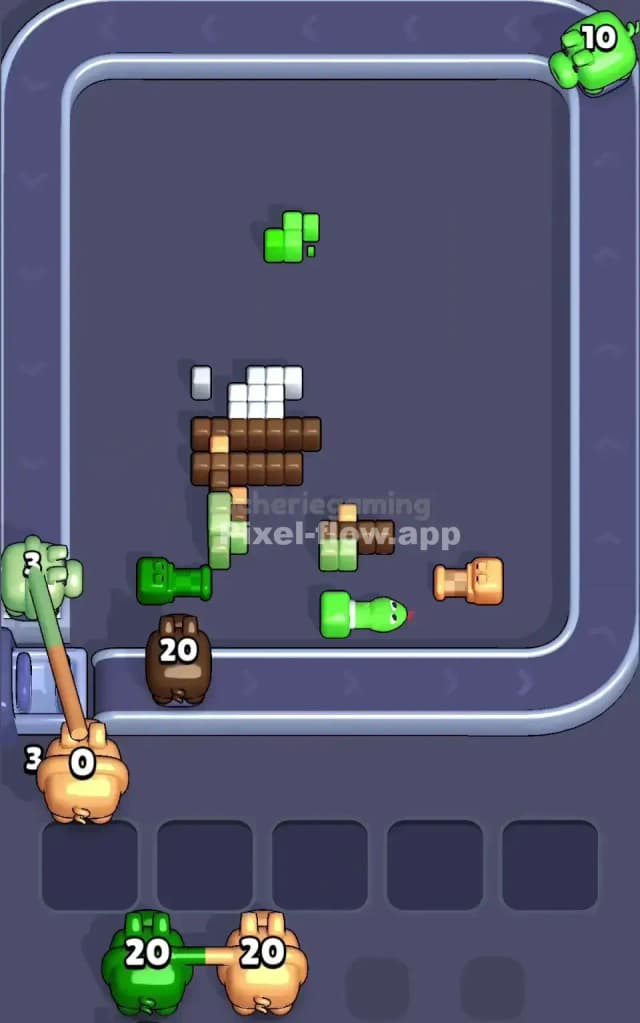
Pixel Flow Level 367 Gameplay
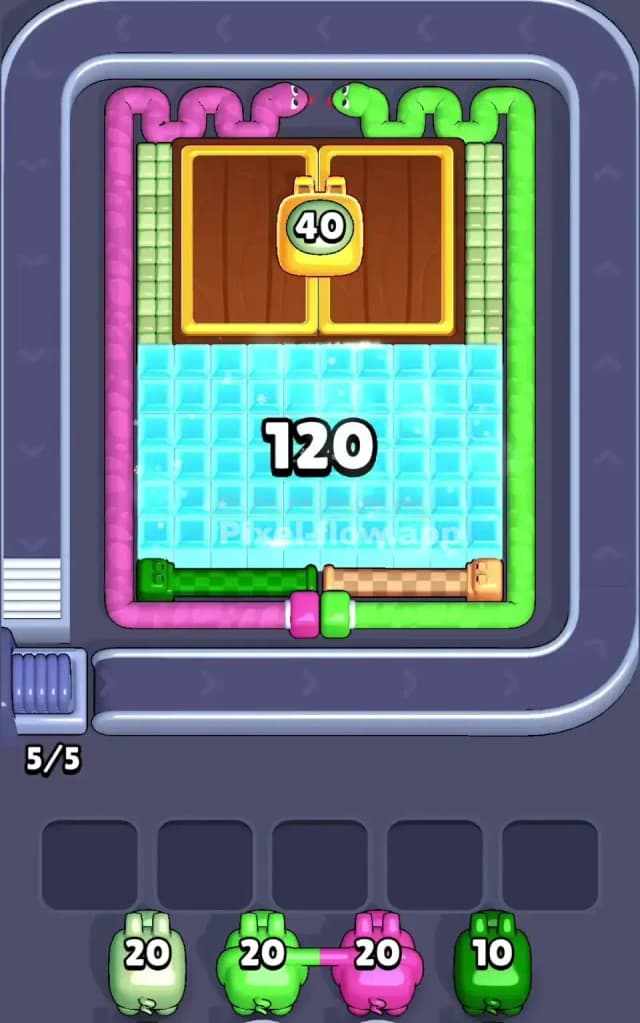
Pixel Flow Level 367 Solution 1
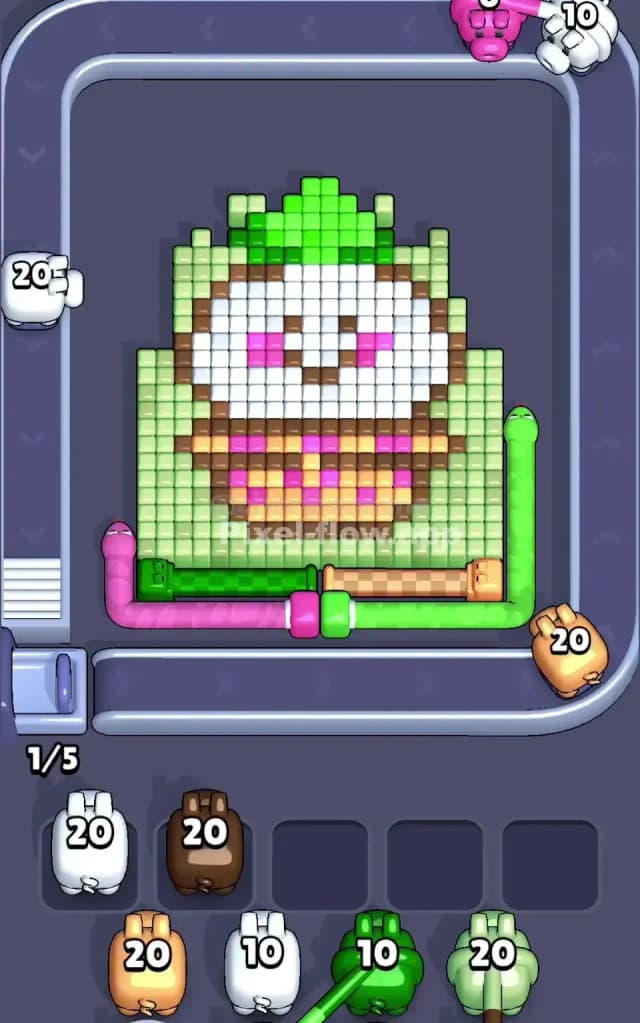
Pixel Flow Level 367 Solution 2
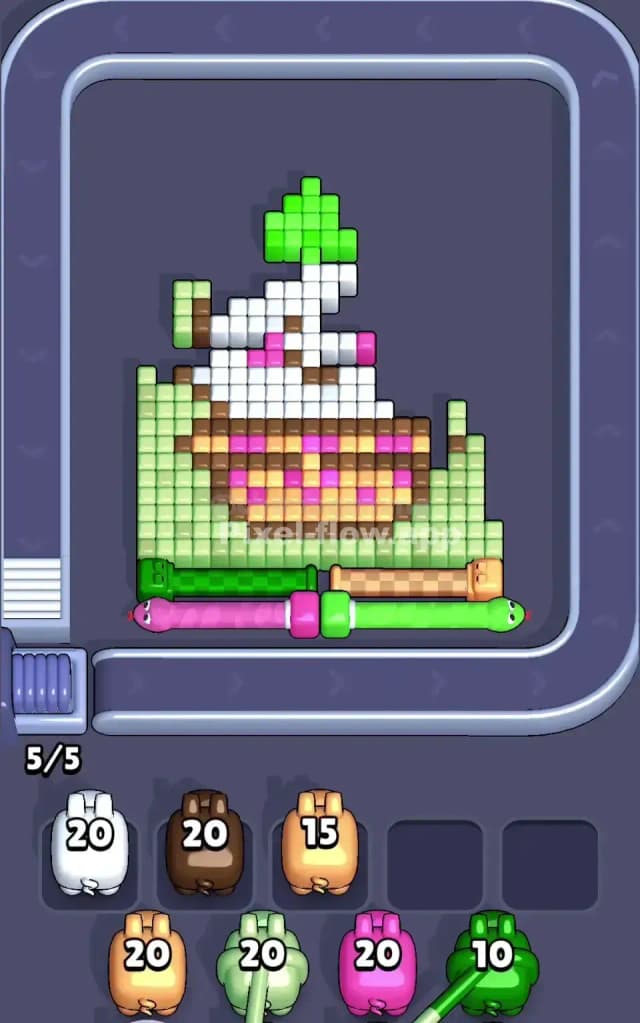
Pixel Flow Level 367 Solution 3

Pixel Flow Level 367 Overview

The Starting Board and Its Layers

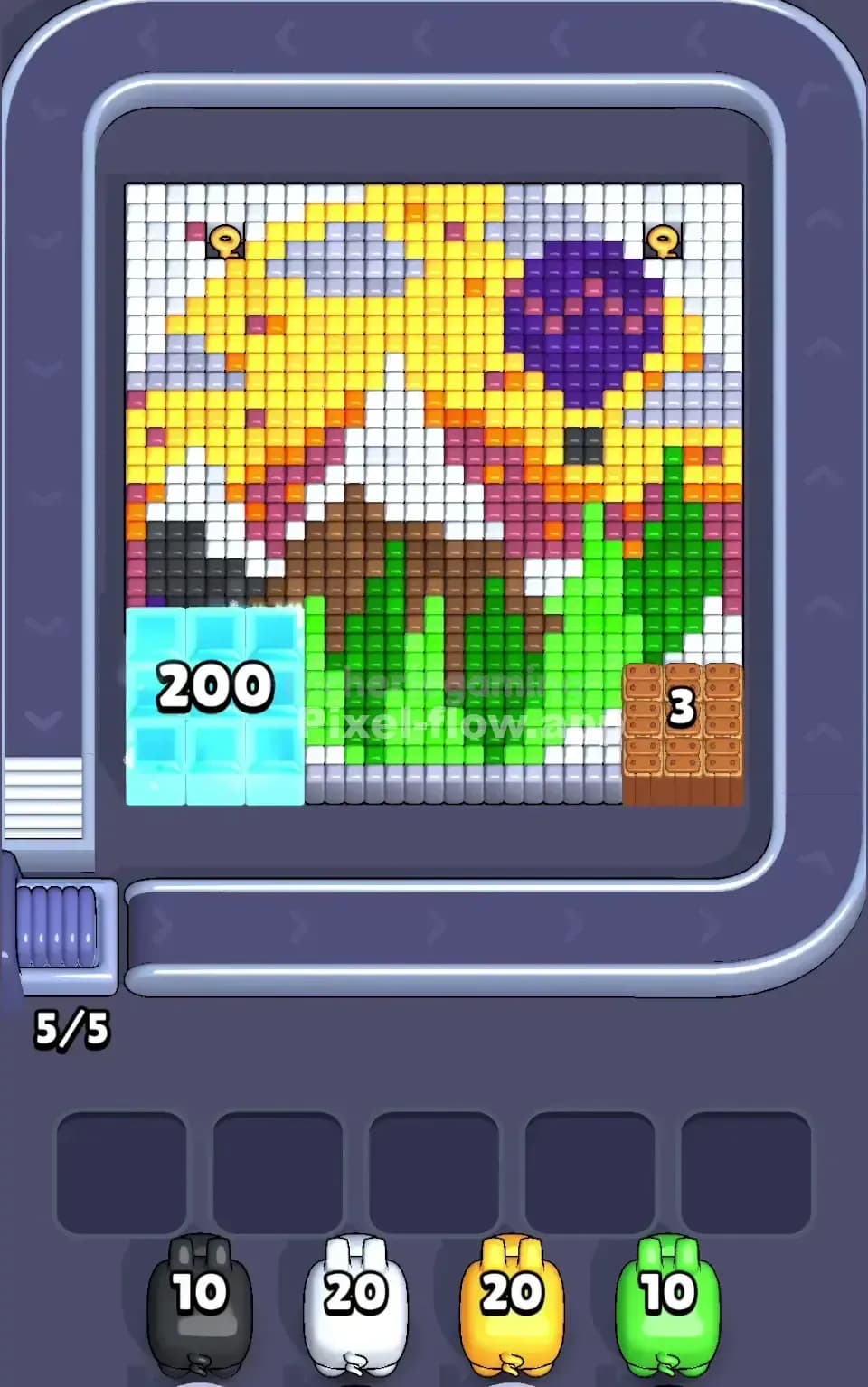
Pixel Flow Level 367 is a vibrant, multi-layered puzzle that depicts a landscape scene with a bright sun dominating the upper portion of the board. The dominant colors you'll immediately notice are yellow (the sun and sky), green (vegetation in the lower half), brown (earth and tree trunks), and purple (a distinctive cloud or storm formation). There's also white space scattered throughout, along with smaller patches of red, orange, gray, and cyan that add complexity to the visual. The board is clearly designed with depth in mind—you can see that some colors sit on top of others, creating a layered voxel structure that you'll need to carefully dismantle.

The waiting slots at the bottom show four active pigs: a black pig with 10 ammo, a white pig with 20 ammo, a yellow pig with 20 ammo, and a green pig with 10 ammo. You've got five waiting slots total (currently one is empty), which gives you limited breathing room. The total ammo pool is substantial at 60 shots, but Pixel Flow Level 367 demands precision—you can't afford to waste a single cube-hit or let pigs get stuck without targets.

Win Condition and the Deterministic Nature

To beat Pixel Flow Level 367, you must clear every single voxel cube from the board. The pig queue is fixed and immutable; you can't change the order in which pigs arrive or their ammo counts. This deterministic structure is both your challenge and your advantage. Once you understand which colors appear in which order and how much ammo you have to spend on each, you can plan your moves with surgical precision. The win condition is straightforward, but the execution requires you to think several pigs ahead and anticipate which colors will be exposed as you clear outer layers.


Why Pixel Flow Level 367 Feels So Tricky

The Bottleneck: Green Ammo vs. Green Real Estate

The biggest threat to your success in Pixel Flow Level 367 is the green pig's modest 10 ammo count relative to the enormous green area covering the lower half of the board. When you look at the board, green cubes are everywhere—they're a foundational layer that spans a huge portion of the playfield. The green pig arrives late in the queue, and by the time it reaches the conveyor belt, you need to have already exposed most of the green cubes to avoid a catastrophic jam. If you don't clear enough green from the overlying layers (yellow, brown, purple, etc.) early on, the green pig will run dry well before all green targets are eliminated, and it'll drop into a waiting slot with no valid moves left. That's a near-guaranteed failure condition in Pixel Flow Level 367.

The Purple Puzzle and Hidden Layers

The purple cloud formation in the upper right is deceptively tricky. It's compact but it's also visually distinct, which means you might be tempted to clear it early—but you shouldn't. Purple cubes are scattered and partially obscured by the yellow sun and other colors. The real problem is that clearing purple prematurely can expose colors beneath it that you're not yet ready to handle. In Pixel Flow Level 367, you need to respect layer order and avoid exposing too many color targets at once, or you'll overwhelm your waiting slots and jam your pigs.

The White-Space Curse and Ammo Waste

White cubes are sprinkled throughout Pixel Flow Level 367, particularly around the tree trunk and earth regions. The white pig has a hefty 20 ammo, which should be reassuring—except white targets aren't as abundant as you'd think from a first glance. There's a real risk that you'll have the white pig queued up but no white cubes visible, forcing it to drop into a waiting slot prematurely. This wastes a slot and locks up ammo that could've been spent, creating a domino effect of poor sequencing for the pigs behind it.

When It Clicked for Me

Honestly, Pixel Flow Level 367 frustrated me for a solid handful of attempts. I kept trying to speed-run the yellow sun and clear it first, thinking that would open up everything beneath. Instead, I'd expose purple, red, and orange all at once, and my waiting slots would fill up in seconds. The turning point came when I stopped thinking of Pixel Flow Level 367 as a race and started thinking of it as a choreography problem. Every pig is a dancer, and each one needs to move exactly when the stage is set for them. Once I accepted that the opening moves should be conservative and layered, the whole puzzle snapped into focus.


Step-by-Step Strategy to Clear Pixel Flow Level 367

Opening: Establish Control with Black and White

Start by queuing the black pig first. Black has only 10 ammo, but it's small and it'll act as your reconnaissance tool. The black cubes in Pixel Flow Level 367 are clustered around the lower left (tree trunk and shadow areas). Fire the black pig and spend all 10 shots clearing those black voxels. This does two critical things: it removes a color that's mixed into multiple layers, and it opens up sightlines to the brown earth beneath without overwhelming your board with new targets.

Next, bring forward the white pig and fire it immediately. White has 20 ammo, and there's enough white scattered throughout the yellow sky and around the ground level to justify spending most of it. Target the white cubes in the upper regions first, then work down toward the white patches near the tree. You want to avoid filling your waiting slots, so keep your expenditure deliberate. Spend roughly 15 of the white pig's 20 ammo during this phase, leaving it with 5 shots. Don't fire it into empty air—if there are no white targets visible, park the white pig in a waiting slot and move on. This keeps you flexible.

By the end of the opening, you should have 2 to 3 empty waiting slots still available. Your board should show noticeably less clutter, but the big color masses (yellow, green, purple, brown) should still be mostly intact.

Mid-Game: Expose Layers and Manage the Queue

Now bring the yellow pig to the belt and prepare a measured assault. Yellow has 20 ammo, and yellow is everywhere in Pixel Flow Level 367—it's the sun and a huge chunk of the sky. However, don't empty the yellow pig in one go. Fire it in bursts of 5 to 7 shots, clearing the outer edges of the yellow sun and the sky. As you clear yellow, you'll expose some purple, red, and orange beneath. Stop the yellow pig once you've revealed enough inner colors to feel confident about the next few pigs in queue.

This is where the mid-game puzzle intensifies. As you expose layers, you'll reveal which colors are truly deep within Pixel Flow Level 367 and which are surface noise. The brown earth is a mid-layer that'll become visible as you clear yellow and green around it. The green vegetation is the elephant in the room—it's everywhere, and the green pig only has 10 ammo. Before you queue the green pig, you need to have cleared away enough of the overlying layers so that most green cubes are exposed and ready for targeting.

Use the remaining yellow ammo strategically. Finish clearing the sun and sky, but leave some white, purple, and red cubes visible. These colors will keep your current pig busy if you queue it next, preventing a premature dump into the waiting slots. The key psychological shift here is: you're not racing to clear the board; you're choreographing a sequence where every pig has exactly the right number of targets waiting for it.

End-Game: The Final Sequence and Avoiding the Jam

Once you've cleared the yellow sky and exposed the underlying layers, queue the green pig and go aggressive. Green has 10 ammo, and by now, Pixel Flow Level 367 should have most green cubes visible and accessible. Fire all 10 shots into the green vegetation. You might not clear all green voxels—that's okay if you've managed your earlier moves correctly. There may be some green cubes locked behind brown or other colors, and that's where careful planning becomes critical.

If there are green cubes remaining after the green pig is exhausted, they'll be in spots you can't reach yet. This means you should have other pigs still queued to clear the overlying colors (brown, remaining purple, orange, etc.). Bring these pigs forward methodically. The white pig might have 5 shots left; fire those into any remaining white targets or other areas to continue exposing green underneath.

The final few pigs should be a mopping operation. By the time you reach the last pig or two, you should have very few cubes left on the board. If you've sequenced Pixel Flow Level 367 correctly, you'll have pigs arriving just as their corresponding colors are fully exposed, and you'll spend their ammo with zero waste. The ultimate goal is to empty all five waiting slots at the very end, with no pig sitting idle, and the board completely clear.


The Logic Behind This Pixel Flow Level 367 Plan

Why This Strategy Exploits the Game's Mechanics

Pixel Flow Level 367 is solvable because the game respects a fundamental principle: ammo is a limited resource, and waiting slots are the true constraint. This strategy works because it prioritizes managing waiting slots over clearing colors as fast as possible. By starting with small ammo pigs (black, then white), you use up minimal space and give yourself time to assess the board structure. By the time you queue high-ammo pigs (yellow, green), most of the layout is visible, and you can predict whether their ammo will align with available targets.

The strategy also exploits layer exposure deliberately. Each color you clear in Pixel Flow Level 367 reveals more of the next layer, which should contain the colors of pigs already queued or coming soon. You're essentially building a "color highway"—removing obstacles so that each pig's targets are maximally visible when it arrives. This minimizes the risk of a pig having no valid targets and dropping into a waiting slot prematurely.

Staying Calm and Counting Ahead

The mental discipline required for Pixel Flow Level 367 is substantial. You need to watch the queue constantly and count remaining ammo for each pig on the belt. Before firing a pig, ask yourself: "After this pig spends X ammo, will there be valid targets for the next pig?" If the answer is uncertain, it's often better to park the current pig and let a different one step forward.

Write down or memorize the pig queue: black (10), white (20), yellow (20), green (10). Watch which colors get exposed as you clear each layer. If you see a color appearing that you can't handle yet, pause and reassess. Think two or three pigs ahead—don't just react to what's in front of you right now. This forward-thinking mindset transforms Pixel Flow Level 367 from a frustrating scramble into a satisfying puzzle where every decision feels intentional.

The moment you accept that failure in Pixel Flow Level 367 comes from poor planning rather than bad luck, you'll start winning consistently. Trust the math, trust the layering, and trust that if you sequence pigs thoughtfully, the board will clear.