Pixel Flow Level 207 Solution Walkthrough | Pixel Flow 207

How to solve Pixel Flow level 207? Get instant solution for Pixel Flow 207 with our step by step solution & video walkthrough.

Share Pixel Flow Level 207 Guide:
Pixel Flow Level 207 Gameplay
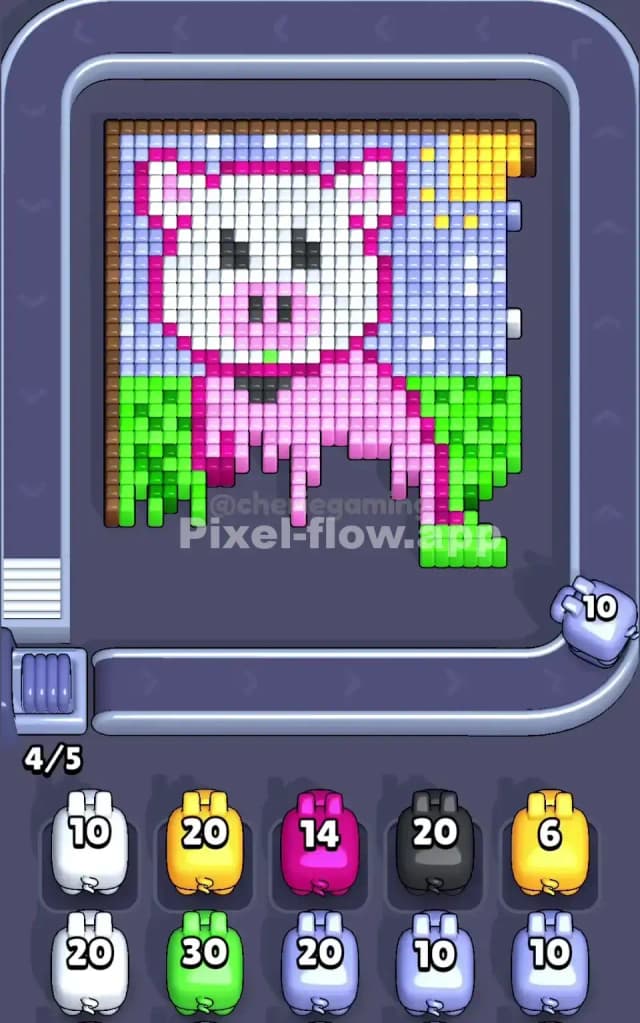
Pixel Flow Level 207 Solution 1
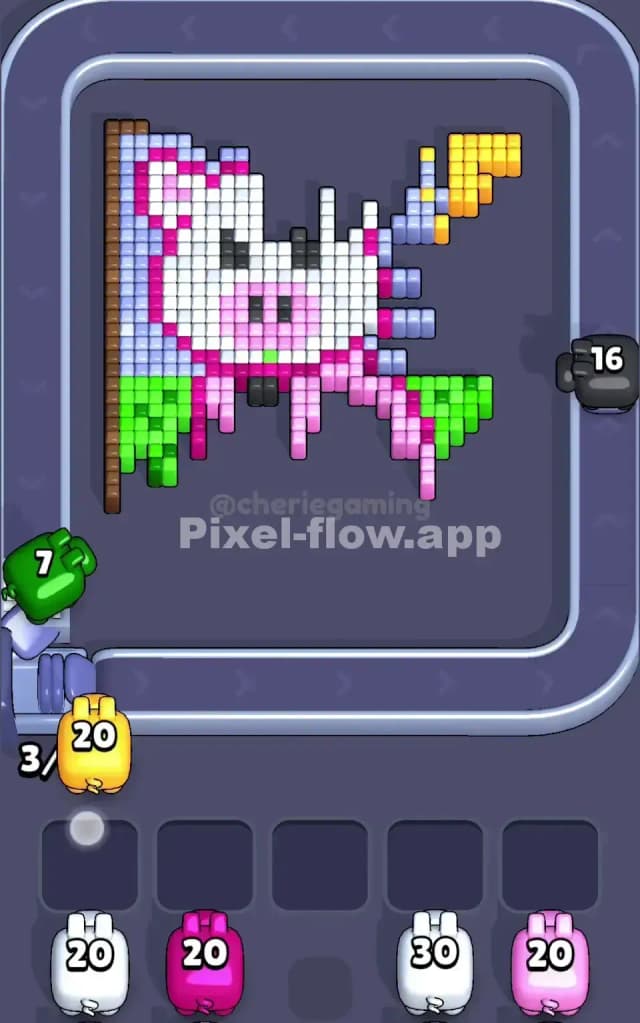
Pixel Flow Level 207 Solution 2
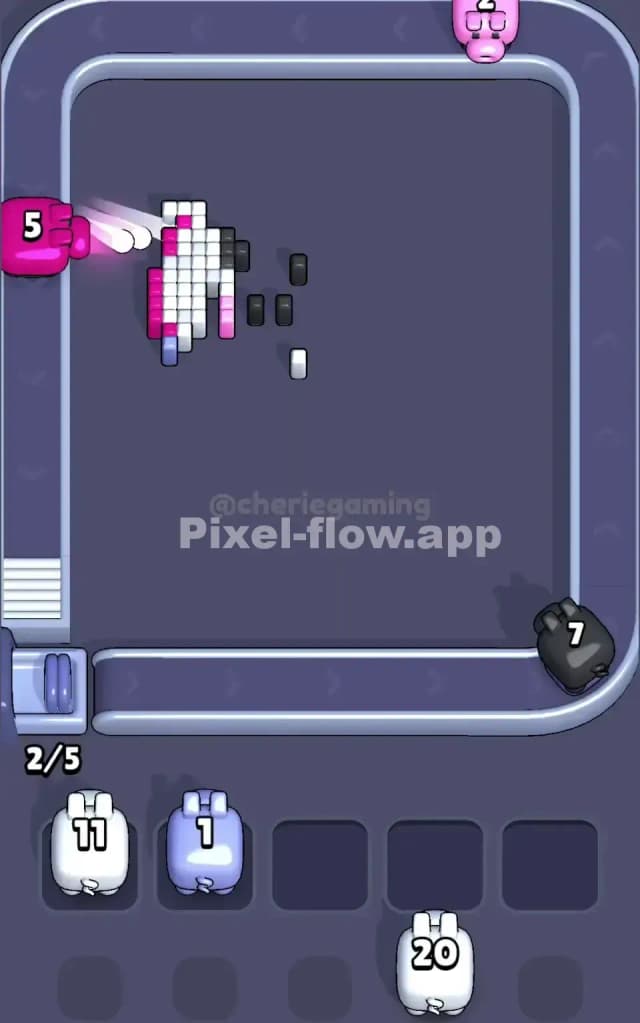
Pixel Flow Level 207 Solution 3

Pixel Flow Level 207 Overview

The Board and Its Visual Challenge

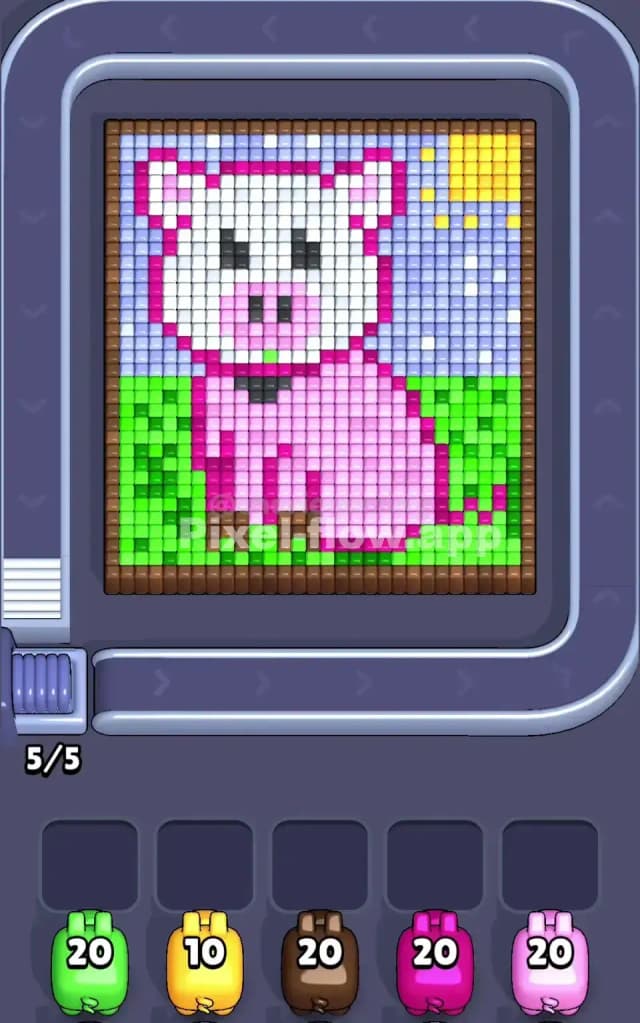
Pixel Flow Level 207 features an adorable cat face pixel art set against a multi-layered voxel backdrop. The foreground is dominated by a cute feline character with expressive eyes and a cheerful expression, framed by magenta-pink outlines and white fill. Behind this charming subject, you'll find a sky-blue background in the upper half and a bright lime-green grass base at the bottom, with yellow accents in the upper right corner and brown earth tones creating depth along the edges. The board is essentially a color-stacked painting, and you're tasked with peeling away each layer systematically by deploying the right pigs at the right time. It's a puzzle that rewards patience and planning rather than reactive button-mashing.

The Win Condition and Deterministic Mechanics

Your goal in Pixel Flow Level 207 is straightforward: eliminate every single voxel cube on the board until nothing remains. You have five pigs queued up, each with a fixed ammo count that cannot change. The green pig carries 20 ammo, the yellow pig has 10, the brown pig holds 20, the magenta pig brings 20, and the light pink pig rounds out the lineup with 20. Every time one of your pigs destroys a cube matching its color, that pig spends exactly 1 ammo. The order in which you deploy them and the sequence in which colors are exposed will determine whether you succeed or fail. There's no luck involved—only strategy and foresight.


Why Pixel Flow Level 207 Feels So Tricky

The Magenta Bottleneck and Waiting Slot Jam

The biggest threat to your success in Pixel Flow Level 207 is the sheer volume of magenta cubes visible on the board. This color forms the cat's face outline, the mouth detail, and various structural elements throughout the image. When you first deploy your magenta pig, you'll have plenty of targets, but here's the problem: if you don't manage your waiting slots carefully, you could end up with multiple pigs stuck in the buffer with nowhere to go. The magenta pig has 20 ammo, which is substantial, but if it doesn't have a clear path to eliminate all its targets in one deployment cycle, you risk clogging your five waiting slots and losing the game.

Awkward Color Distribution and Hidden Layers

Pixel Flow Level 207 throws a secondary curveball at you: the colors aren't evenly distributed across obvious, accessible regions. The brown earth tones, for example, exist primarily on the outer edges and background, which means the brown pig might need to wait for outer layers to be stripped away before it can efficiently target all its cubes. Similarly, the yellow cubes cluster in the upper right, somewhat isolated from the main cat figure. This spatial awkwardness means that rushing into the puzzle with a random deployment order will almost certainly leave you with a pig whose ammo doesn't align with any remaining valid targets, forcing it into a waiting slot with no escape route.

The Frustration Point and When It Clicked

Honestly, I found Pixel Flow Level 207 genuinely frustrating on my first two attempts. I kept deploying the magenta pig too early, only to watch it drain into the waiting slots with 8 or 9 ammo still unused because all the visible magenta cubes were gone. Then I'd deploy the pink pig, and it would do the same thing. My waiting slots filled up, and I was left with the green and brown pigs unable to deploy, even though the board still had cubes left. The breakthrough came when I realized I needed to reverse my thinking: instead of deploying by color visibility, I needed to deploy by layer exposure. Once I started with the outer-edge colors and worked inward, stripping the background before touching the central features, everything suddenly made sense. The puzzle demands that you think in three dimensions, not just react to what's on the surface.


Step-by-Step Strategy to Clear Pixel Flow Level 207

Opening: Start with the Perimeter and Keep Your Buffer Loose

Your first move in Pixel Flow Level 207 should be to deploy the brown pig. This might seem counterintuitive because brown isn't the most prominent color, but it's deliberately positioned around the edges and background layers. Brown cubes anchor the frame and support the overall structure, and by eliminating them first, you expose the interior layers that other pigs will need to target. The brown pig has 20 ammo, and there are roughly 20 brown cubes scattered across the board's frame. Deploy it confidently—it should burn through most or all of its ammo in this first deployment, clearing the waiting slot and keeping your buffer loose for the incoming pigs.

After the brown pig finishes, immediately deploy the yellow pig. The yellow cubes occupy the upper right quadrant and some interior accent positions. The yellow pig only has 10 ammo, which is a much tighter constraint than the other pigs, but with the brown frame now cleared, the yellow targets should be more accessible. Don't worry if the yellow pig has 1 or 2 ammo remaining—it's better to park it in a waiting slot with minimal waste than to hold back and let the queue back up behind it.

Mid-Game: Sequence the Heavy Hitters and Expose Inner Layers

Once you've cleared brown and yellow, you're ready to tackle the three pigs with 20 ammo each: green, magenta, and pink. Here's where deliberate sequencing becomes crucial in Pixel Flow Level 207. Deploy the green pig next. The green grass base and foreground vegetation are substantial, and the green pig should be able to find and eliminate most or all of its 20 green cubes without jamming. Watch carefully as it fires—if it stops firing with ammo remaining after one deployment, it will drop into a waiting slot, and that's fine. You're creating space for the heavier hitters to come through.

Next, deploy the magenta pig. This is the centerpiece of your Pixel Flow Level 207 puzzle. The magenta outline and face details represent a large cluster of targets. However, by the time the magenta pig deploys, brown and yellow are already clear, which means the magenta cubes are more exposed and less buried. The magenta pig should churn through a significant portion of its 20 ammo in the first deployment. If it still has ammo left, it will sit in a waiting slot, but that's acceptable—you have room now.

Finally, deploy the pink pig. Pink cubes exist throughout the lighter areas of the cat's face and some interior details. The pink pig's 20 ammo should give it enough firepower to clean up the remaining pink targets. By this point, your board is largely stripped down to only the innermost, deepest colors or colors you've already partially exposed.

End-Game: Clean Up Methodically and Avoid a Last-Second Jam

As you reach the final stages of Pixel Flow Level 207, your waiting slots will likely contain one or two pigs that couldn't fully deploy earlier. Check your queue carefully: is there a green pig, magenta pig, or pink pig still waiting? If so, you've already deployed them once, and they're back for a second pass on remaining cubes. Deploy them again in order. Each subsequent deployment will target any remaining cubes of their color that have now been exposed by the earlier eliminations.

The key to avoiding a catastrophic jam at the end is ruthless ammo tracking. Before you hit deploy on any pig, mentally count how many cubes of that color are still visible. If a pig has 12 ammo and you see only 8 valid targets, that pig will definitely drop into a waiting slot, and you need to be prepared for that. Plan your final two or three deployments to ensure your fifth waiting slot never fills beyond capacity. The last cube should come down with at least one empty waiting slot remaining—that's your safety margin in Pixel Flow Level 207.


The Logic Behind This Pixel Flow Level 207 Plan

Exploiting Deterministic Order and Ammo Efficiency

The strategy outlined above isn't based on guesswork—it's grounded in the deterministic nature of Pixel Flow and how pigs interact with the voxel grid. Every pig has a fixed ammo count, and every cube requires exactly 1 ammo to destroy. The only variable is visibility: a cube is only targetable if it's not blocked by another cube in front of it. By strategically deploying pigs from background to foreground, you're maximizing the ammo efficiency of each pig in Pixel Flow Level 207. The brown pig deploys when brown cubes are most exposed. The green pig comes next when green targets are accessible. The magenta and pink pigs arrive when their cubes have been unburied by earlier eliminations. You're not fighting against the board—you're choreographing a dance where each pig reveals the stage for the next.

Staying Calm and Planning Two Pigs Ahead

The difference between clearing Pixel Flow Level 207 and getting stuck comes down to lookahead discipline. Before you deploy your current pig, glance at the next two pigs in the queue and mentally map where their colored cubes are on the board. Ask yourself: "Will my current pig finish cleanly? If not, where will it sit, and does that block my next pig?" This forward-thinking prevents nasty surprises like a half-spent green pig locking up your waiting slots right when the magenta pig desperately needs to deploy. Count ammo, watch the board's color distribution, and never rush a deployment. Pixel Flow Level 207 will wait for you, and patience is the most valuable resource you possess. Stay calm, trust your plan, and watch the board transform as you methodically peel away each layer.