Pixel Flow Level 232 Solution Walkthrough | Pixel Flow 232

How to solve Pixel Flow level 232? Get instant solution for Pixel Flow 232 with our step by step solution & video walkthrough.

Share Pixel Flow Level 232 Guide:
Pixel Flow Level 232 Gameplay
Pixel Flow Level 232 Solution 1
Pixel Flow Level 232 Solution 2
Pixel Flow Level 232 Solution 3

Pixel Flow Level 232 Overview

The Starting Board and Dominant Colors

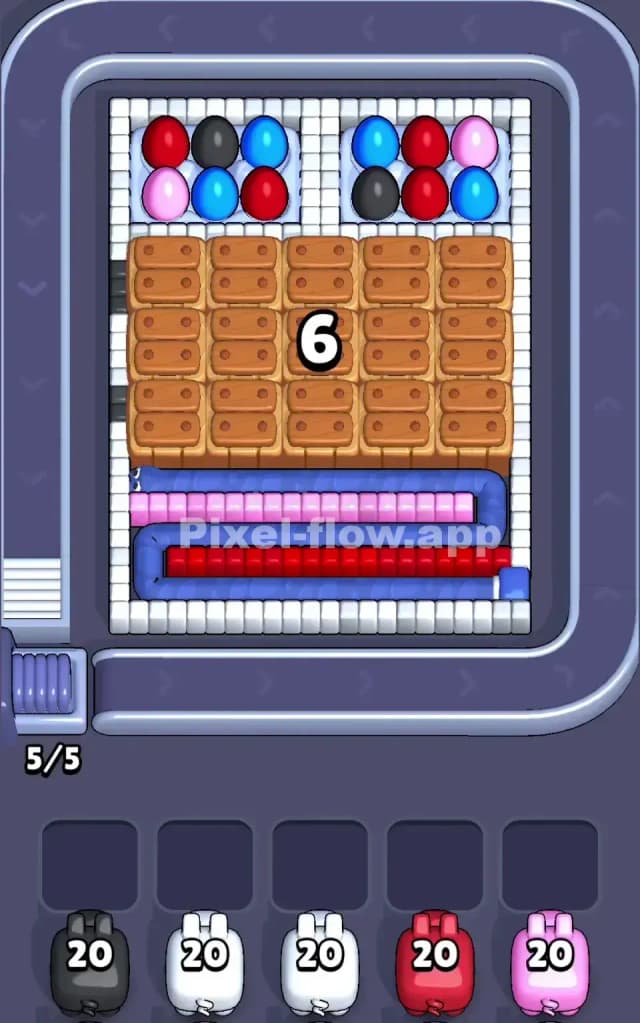
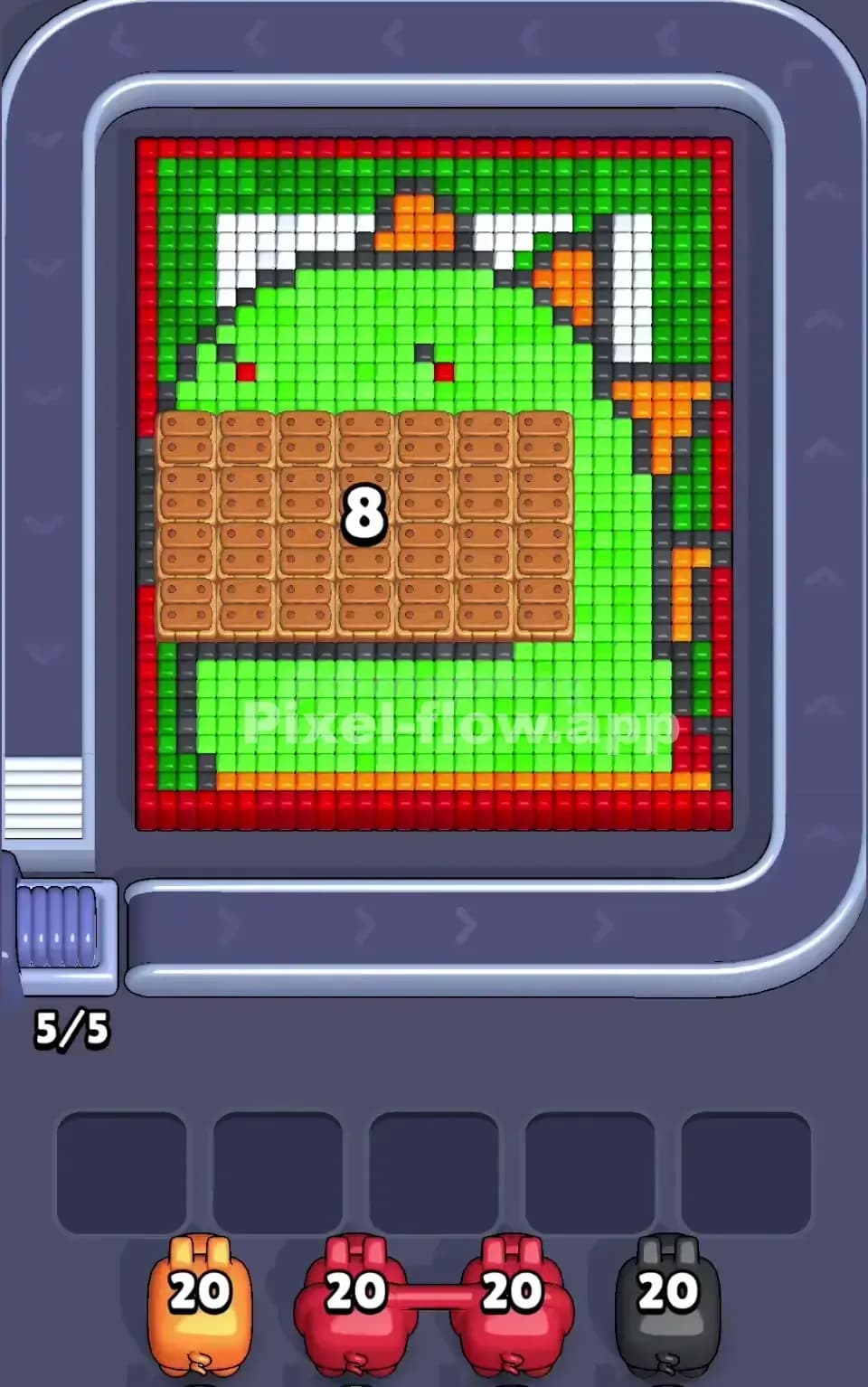
Pixel Flow Level 232 presents you with a layered voxel puzzle that's equal parts clever and challenging. At the top of the screen, you'll spot a conveyor belt displaying six color-coded pigs: two black pigs with 20 ammo each, two white pigs with 20 ammo each, one red pig with 20 ammo, and one pink pig with 20 ammo. The main board itself is dominated by a thick golden cookie-like obstacle layer that occupies most of the middle section—this is your first major hurdle. Beneath that blocky barrier lie three distinct color bands: a blue strip, a pink strip, and a red strip running horizontally across the lower portion of the puzzle. The white grid background peeks through in places, hinting at the layered nature of this puzzle. What makes Pixel Flow Level 232 particularly tricky is that you can't simply blast away at the cookies—they're inert obstacles—but instead must strategically clear the colors hidden beneath and around them to progress.

Understanding the Win Condition

To beat Pixel Flow Level 232, you need to clear every single voxel cube on the board. Each pig shoots cubes of its own color, and every successful hit consumes one unit of ammo. Your five waiting slots below the board are your buffer zone; if you fill all five slots with pigs that have nowhere to spend their remaining ammo, the level locks up and you lose. The beauty of Pixel Flow Level 232 lies in its determinism: every pig's ammo count is fixed, the order they arrive is always the same, and the cube locations never change. This means there's a perfect solution waiting for you—you just need to find the sequence that exposes each color at exactly the right moment.


Why Pixel Flow Level 232 Feels So Tricky

The Cookie Layer Chokepoint

The biggest threat to your success in Pixel Flow Level 232 is that golden cookie layer sitting smack in the middle of the board. It's not an enemy—it's a blocker that hides the colored voxels you actually need to target. If you waste your early pigs' ammo foolishly, you'll quickly paint yourself into a corner where the remaining colors are still tucked away but you've got stuck pigs consuming your waiting slots. The cookies themselves can't be destroyed, so you need to work around them intelligently. This is the core tension of Pixel Flow Level 232: you're forced to clear blue, pink, and red cubes in a very specific order to avoid triggering a catastrophic jam.

The Color Sequencing Problem

Here's where Pixel Flow Level 232 gets sneaky: the pink and blue strips are partially exposed, but the red strip at the very bottom is almost completely hidden behind the cookie layer. You might think, "I'll just shoot red pigs first!" but if you do that, you'll burn through red ammo hitting the few visible red cubes while pink and blue pigs stack up uselessly in your waiting slots. Conversely, if you shoot white or black pigs early, you'll be wasting their 20-ammo capacity on nothing, and they'll immediately drop into your buffer—a fatal mistake in Pixel Flow Level 232.

The Ammo Mismatch and Buffer Pressure

Another subtle trap in Pixel Flow Level 232 is that each color pig comes with exactly 20 ammo, but the distribution of cubes across colors isn't always balanced at first glance. The blue strip looks thick, the pink strip looks moderate, and the red strip hides beneath the cookies. If you're not careful about tracking which pig you deploy and when, you'll end up with a pig that still has 10 ammo but zero valid targets—it drops into a waiting slot and just sits there, slowly choking your options. I've felt the panic of watching that fourth pig settle into the buffer zone and realizing I'd made a critical error three pigs ago.

The Moment It Clicks

When I finally cracked Pixel Flow Level 232, it was because I stopped thinking reactively and started mapping out the entire color structure. I realized that I needed to expose the red cubes carefully while systematically clearing blue and pink alongside them. Once I saw that the cookie layer was actually a timing mechanism—not a random obstacle—everything fell into place. The "click" moment was genuinely satisfying.


Step-by-Step Strategy to Clear Pixel Flow Level 232

Opening: Exposing the Blue and Pink Layers Safely

Your opening move in Pixel Flow Level 232 is critical, so don't rush it. Start by deploying a white pig (20 ammo). The white pigs have no direct targets on the board, so they'll immediately drop into waiting slot one—and that's exactly what you want. This might seem wasteful, but it's actually a strategic sacrifice that keeps your buffer from filling up later with more problematic pigs. After the first white pig settles, deploy the second white pig for the same reason. Now you've got two waiting slots occupied but you've removed the white pigs from the conveyor belt, which means your valuable color pigs will arrive sooner.

Next, deploy one black pig. Like the white pigs, black has no visible targets initially, so it'll drop into waiting slot three. Don't panic—this is still part of the plan. You're essentially "parking" the zero-target pigs early so they don't jam you later when you're trying to finish Pixel Flow Level 232. After the black pig settles, deploy the second black pig into waiting slot four. You should now have two waiting slots filled with white, two with black, and only one slot remaining.

Now it's time to actually start clearing colors. Deploy a blue pig. The blue strip is partially visible along the left and right edges of the board, and the blue pig will start shooting. Because Pixel Flow Level 232's layout has blue cubes exposed, you can safely spend several units of ammo here. Let the blue pig fire until it runs out of ammo or until it's clear that it won't find any more blue targets. Once it exhausts its ammo, it'll drop into your final waiting slot—slot five—but by then you'll have made real progress.

Mid-Game: Sequencing Colors and Exposing Layers

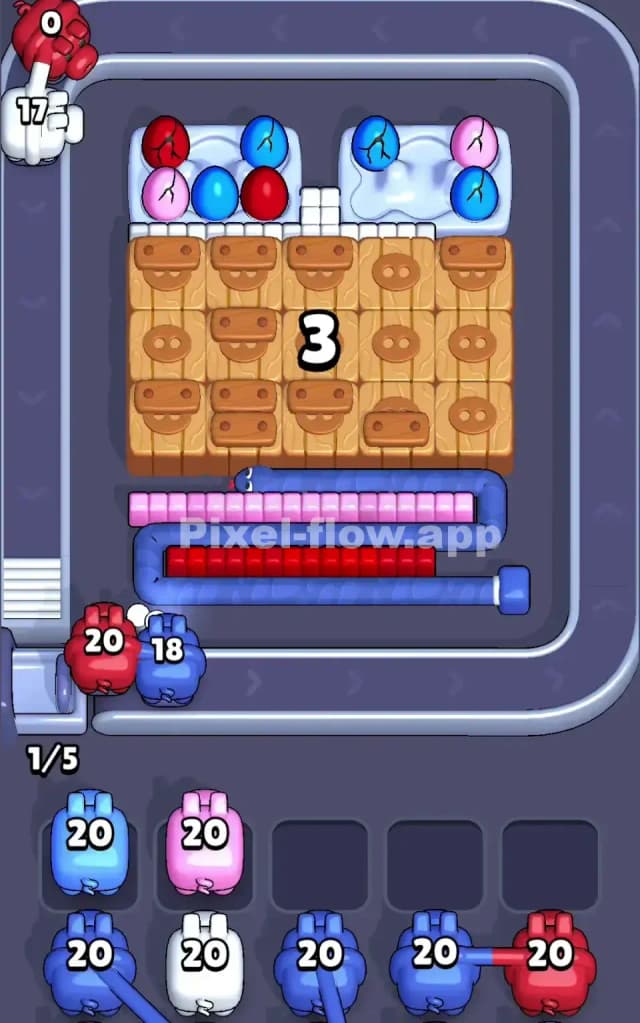
With all five waiting slots now occupied, the pressure is on in Pixel Flow Level 232. From this point forward, every new pig that arrives must complete its mission and clear the board—there's no room for error. When the red pig enters the conveyor belt, deploy it immediately and watch carefully. The red cubes are largely hidden by the cookies, but there are enough exposed at the bottom edges for the red pig to make a dent. Depending on how many red cubes it can reach, it may fire some but not all of its 20 ammo before running out of targets. If that happens, the red pig will get stuck in a waiting slot—game over.

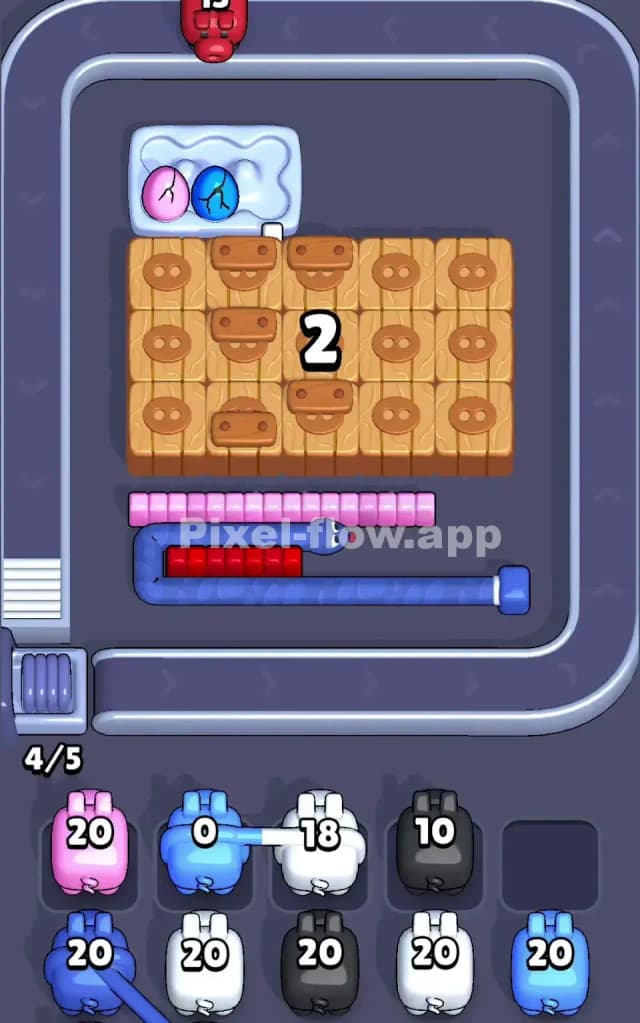
This is where Pixel Flow Level 232's puzzle really reveals itself: you might need to clear some pink cubes first to expose more red cubes for the red pig to target. Deploy the pink pig strategically. The pink strip is visible enough that pink should find plenty of targets. As pink cubes disappear, they may reveal additional red cubes hiding behind or beneath them. This is the cascading effect you're banking on. Keep your eye on the board geometry as each color is revealed. In Pixel Flow Level 232, the layers work together—removing one color opens opportunities for the next.

If after deploying the pink pig you still see that there aren't enough exposed red cubes for the red pig to spend all 20 ammo, hold off on deploying red and instead cycle back to blue or another color if any remain unfinished. The key principle in Pixel Flow Level 232 is: never deploy a pig unless you're confident it can spend most or all of its ammo before the board forces it into a waiting slot.

End-Game: Cleaning Up Without a Final Jam

By the time you're in the end-game phase of Pixel Flow Level 232, you should have just a handful of colors left and most of your waiting slots finally clearing as pigs complete their runs. The final pigs must be sequenced perfectly. If red still has ammo remaining when all red cubes are gone, and it drops into a waiting slot with no room, you've lost Pixel Flow Level 232. To avoid this, watch your target counts obsessively during the final phases.

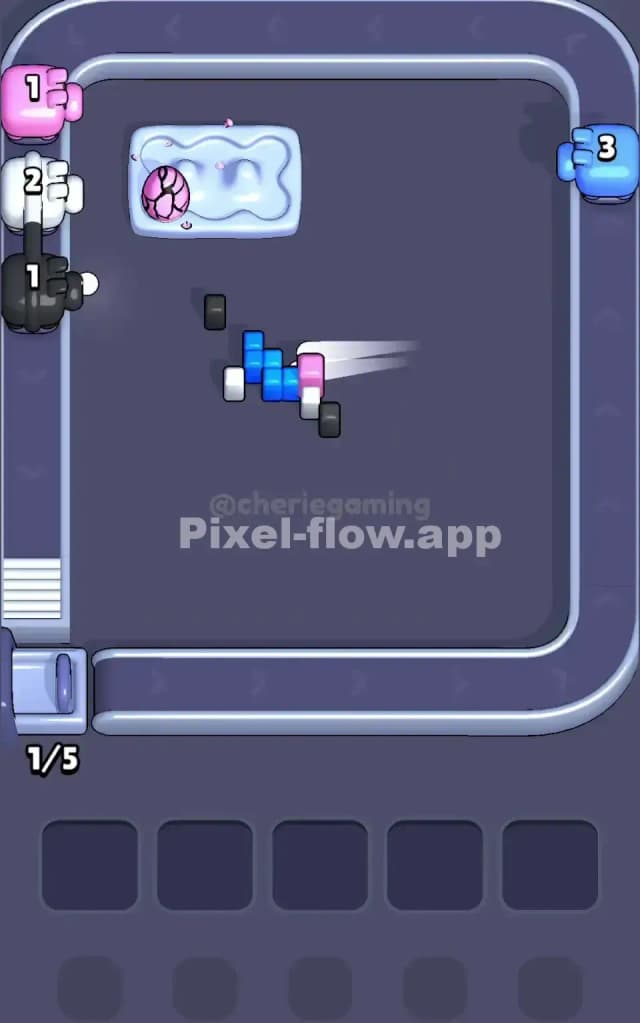
Deploy your last few pigs one at a time, pausing between each to assess the new board state. As colors are cleared in Pixel Flow Level 232, deeper layers may reveal additional cubes of colors you thought were finished—be ready to adapt. The ideal endgame scenario is that your final pig exhausts its ammo precisely as the last cube vanishes, leaving the board completely clear and all waiting slots empty. If you've planned correctly, this is exactly what happens, and you'll see the victory screen.


The Logic Behind This Pixel Flow Level 232 Plan

Exploiting Determinism and Pig Order

Pixel Flow Level 232 is winnable because everything about it is deterministic. The conveyor belt always delivers pigs in the same order with the same ammo counts. The voxel cubes never move or respawn. This means that trial and error isn't your enemy—information is your friend. Every attempt at Pixel Flow Level 232 teaches you exactly which colors have cubes where, and how many of each color exist on the board. Once you've run a few attempts, you can map out a complete plan: "Deploy white one and two, black one and two, then blue, then pink, then red, then finish blue if needed." This systematic approach transforms Pixel Flow Level 232 from a chaotic guessing game into a solvable logic puzzle.

The waiting slots are your true strategic resource in Pixel Flow Level 232. They're not a punishment—they're a tool. By intentionally "parking" pigs with no targets (like the white and black pigs early on), you're clearing the conveyor belt of obstacles and buying yourself flexibility later. This is counterintuitive but essential to beating Pixel Flow Level 232.

Staying Calm and Planning Ahead

The final piece of the Pixel Flow Level 232 puzzle is mental discipline. When you're two waiting slots away from a game-over state, it's easy to panic and deploy a pig carelessly. Instead, take a breath and count. Count the visible cubes of each color. Count the ammo remaining in each pig on the conveyor belt. Look one, two, even three pigs ahead. Ask yourself: "If I deploy this pink pig now, will the red pig have enough targets when it arrives?" This forward-planning mindset is what separates a lucky win from a reliable mastery of Pixel Flow Level 232.

Every run teaches you something new about the board's geometry and the layer structure beneath the cookies. Treat Pixel Flow Level 232 as a puzzle to be studied, not a level to be brute-forced. When you finally clear it, you'll understand not just how to win, but why the solution works—and that's the real victory.