Pixel Flow Level 449 Solution Walkthrough | Pixel Flow 449

How to solve Pixel Flow level 449? Get instant solution for Pixel Flow 449 with our step by step solution & video walkthrough.

Share Pixel Flow Level 449 Guide:
Pixel Flow Level 449 Gameplay
Pixel Flow Level 449 Solution 1
Pixel Flow Level 449 Solution 2
Pixel Flow Level 449 Solution 3

Pixel Flow Level 449 Overview

The Board and Your Starting Position

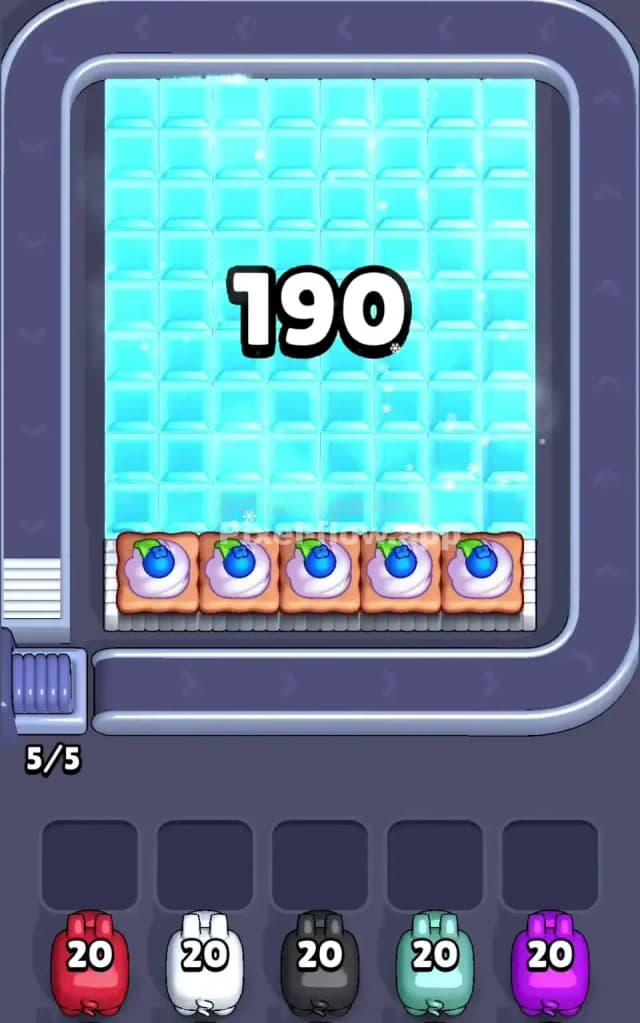
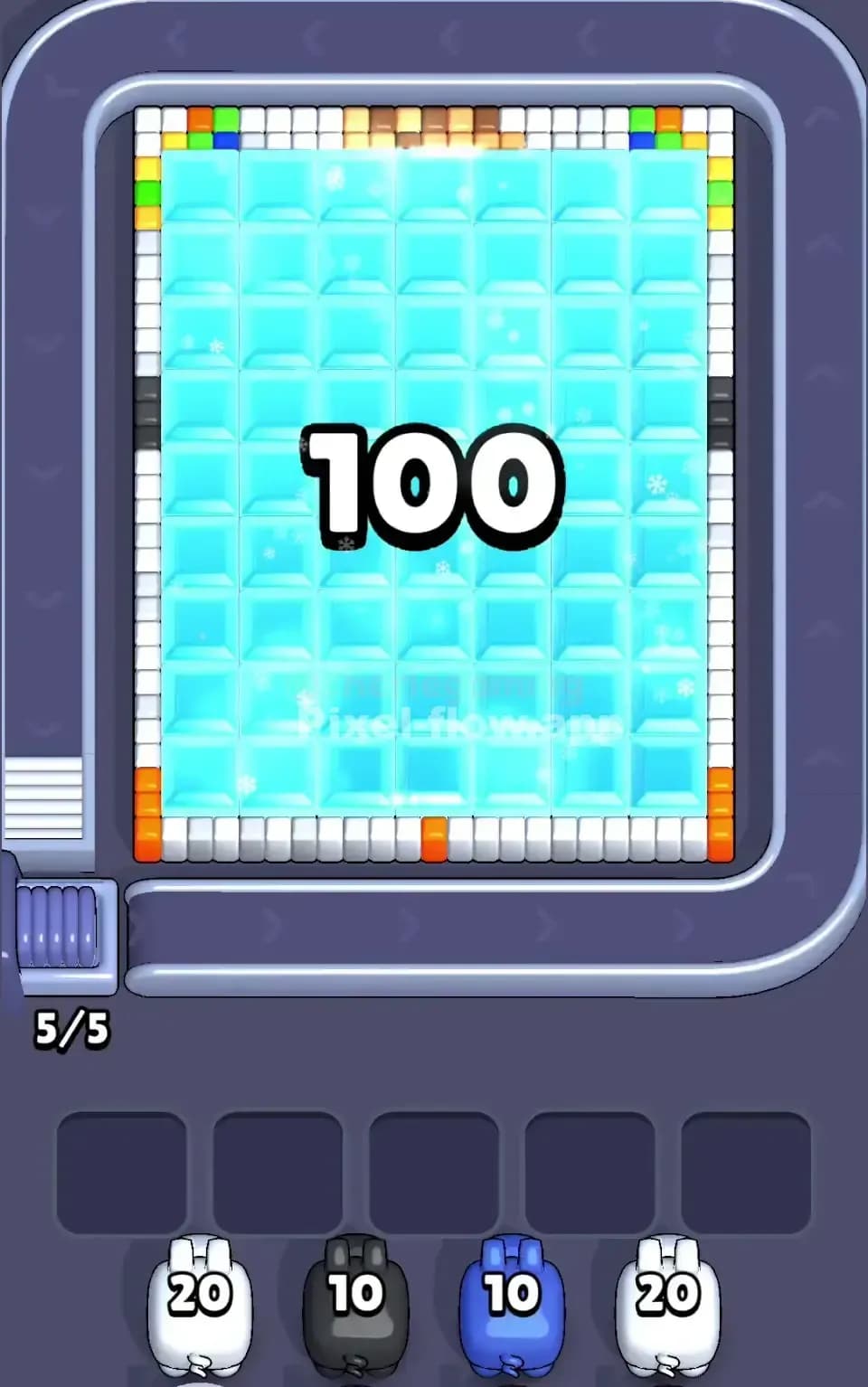
Pixel Flow Level 449 is a deceptively simple-looking puzzle that hides genuine complexity underneath. You're looking at a board almost completely filled with cyan (light blue) voxel cubes arranged in a uniform grid pattern. The sheer volume of cyan is what makes Pixel Flow 449 intimidating at first glance—there's a lot of real estate to cover, and it all appears to be the same color. What you're actually seeing is the outer layer of a multi-depth pixel art design, and that cyan isn't going anywhere until you systematically work through it. Below this cyan surface lie other colors that'll only become visible once you've cleared enough cubes from above.

Your pig roster for Pixel Flow Level 449 consists of five color-coded pigs, each one sitting in the queue at the bottom of the screen. You've got 20 ammo across multiple colors: red with 20, white with 20, black with 20, cyan with 20, and purple with 20. That's a total of 100 ammo available, which sounds generous—until you realize that Pixel Flow Level 449 is a test of sequencing, not just firepower. Each pig will automatically fire at matching-colored cubes in the order they appear on the board, and the moment a pig runs out of targets (even with ammo remaining), it gets stuck in one of your five waiting slots below. Jam all five slots and you're done.

The Win Condition and Why Order Matters

To beat Pixel Flow Level 449, you need to clear every single cube from the board. Your goal is zero cubes remaining and no pigs permanently stuck in your waiting slots. The tricky part? Pig order is fixed and predetermined—you don't get to rearrange the queue. What you do control is when you activate each pig, which determines what cubes are available for them to shoot, which in turn determines whether they'll finish cleanly or get stuck. Pixel Flow Level 449 forces you to think several moves ahead because the game rewards precise planning and punishes random triggering.


Why Pixel Flow Level 449 Feels So Tricky

The Cyan Overload Problem

Here's the immediate headache with Pixel Flow Level 449: cyan dominates the board completely. The cyan pig has 20 ammo, and while that sounds reasonable, the problem is that cyan cubes are packed so densely that one cyan pig shot can only hit a few cubes at a time due to how the voxel grid aligns. You'll burn through that cyan ammo quickly, but you won't actually finish clearing all cyan cubes—and once the cyan pig runs out of ammo, it'll drop into your waiting slots whether you like it or not. This is the main bottleneck of Pixel Flow Level 449. If you're not careful about the order in which you fire other pigs, you could accidentally expose colors beneath the cyan layer in ways that force your remaining pigs to work inefficiently.

Hidden Layers and Color Mismatches

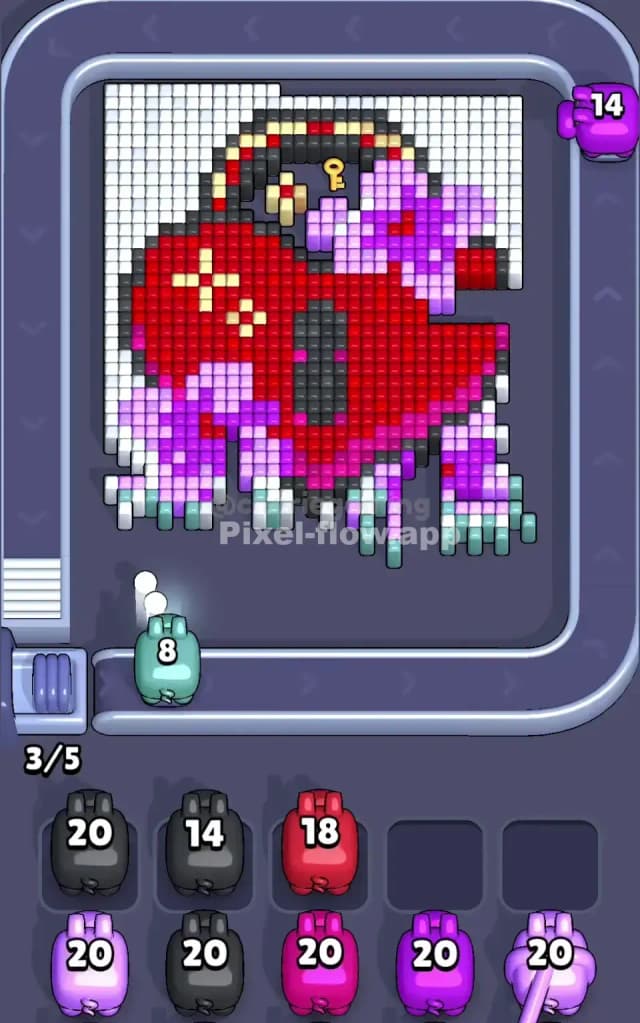
Pixel Flow Level 449 isn't just about the cyan surface. Underneath all those cyan cubes are at least one or two deeper layers that contain the other colors in your arsenal (red, white, black, and purple). The problem is you can't see these colors until you've cleared cyan out of the way. This creates a cruel catch-22: you need to fire cyan to expose the hidden colors, but if you fire cyan too early or in the wrong pattern, you might expose colors that have zero matching cubes available, leaving those pigs stranded and stuck. The waiting slots fill up fast.

The Ammo-to-Coverage Ratio Headache

Another subtle killer in Pixel Flow Level 449 is that not all pig ammo translates to equal destructive power. A cyan pig with 20 ammo might only clear a third of all cyan cubes because of how the voxels are stacked and layered. Meanwhile, a red or purple pig with 20 ammo might have very few targets available on the board initially, so it gets stuck almost immediately. I'll admit, the first time I hit Pixel Flow Level 449, I got frustrated watching my perfectly good pigs drop into the buffer with 18–19 ammo still unused. That's when it clicked for me: I wasn't thinking about exposure, I was just thinking about shooting. Pixel Flow Level 449 demands that you choreograph your pig activations to expose targets before firing those pigs.


Step-by-Step Strategy to Clear Pixel Flow Level 449

Opening: Break the Cyan Seal Carefully

Your first move in Pixel Flow Level 449 should be to fire the cyan pig, but not immediately. Here's why: you need to think about which part of the cyan mass you want to break first. Ideally, you want to expose at least one or two cubes of a secondary color (red, white, black, or purple) early, so that when those color pigs eventually activate, they'll have something to shoot at and won't get stuck right away.

Fire the cyan pig first, and watch the board carefully. Depending on which cubes get destroyed, you might expose one or two colors underneath. Your waiting slots should remain mostly empty at this point—you're aiming to keep at least 3–4 slots free so you have room for error or unexpected stuck pigs later. Once cyan has fired and you've exposed some new colors, you've set the stage for Pixel Flow Level 449's mid-game.

Mid-Game: Layer Breaking and Ammo Rationing

This is where Pixel Flow Level 449 separates skilled players from frustrated ones. After your initial cyan push, you'll have exposed some deeper colors. Now you need to decide: fire another cyan shot, or pivot to a different color? The answer depends on what you're seeing on the board. If firing cyan again will expose a lot of new color cubes, do it. If it just removes more of the same monotonous cyan without revealing anything useful, consider parking that cyan pig and moving to one of your other colors instead.

For the remaining four pigs (red, white, black, purple), fire them strategically. Each one should have at least a few visible targets before you activate them. If a pig absolutely must be fired with very few targets available, plan for it to get stuck temporarily in your waiting slots—just ensure you'll have the buffer space to accommodate it. Count your available waiting slots obsessively as you play through Pixel Flow Level 449; it's the primary constraint.

The key insight here is that you're not just destroying cubes, you're sculpting the board to create a cascading effect where each subsequent pig has more targets than the last. Think of Pixel Flow Level 449 like a Jenga tower: you're removing layers from the top down, and you need to remove them in an order that doesn't collapse the whole structure.

End-Game: Cleaning Up Without Jamming

By the final third of Pixel Flow Level 449, most of your pig ammo should be depleted or nearly depleted, and the board should be looking noticeably sparser. This is when you need to be extremely careful. Count the remaining cubes of each color. Verify that you have enough ammo in each remaining pig to finish those colors off. If, for example, you've got 5 cyan cubes left but your cyan pig is long gone and stuck in a waiting slot, you're in trouble.

Ideally, you want to engineer Pixel Flow Level 449 so that your final activations clear color by color in a clean sequence. Red finishes, then white, then black, then purple. No pig should have ammo leftover when there are no matching cubes to hit. If you're forced into a situation where a pig runs out of targets while holding ammo, immediately assess your waiting slots. If you've got room, that's fine—let it drop. If you're full, you've made a sequencing mistake earlier and Pixel Flow Level 449 is lost.

The final board state should be completely empty with all five waiting slots occupied by stuck pigs (or fewer, if you sequenced perfectly). As long as every single voxel cube is gone, you've won Pixel Flow Level 449.


The Logic Behind This Pixel Flow Level 449 Plan

Why Sequencing Beats Raw Firepower

Pixel Flow Level 449 isn't about having the most ammo; it's about using your ammo efficiently by constantly exposing new targets. A random, trigger-happy approach will almost certainly fail because you'll leave pigs stuck with unused ammunition. The strategy outlined above works because it prioritizes board state over mere shooting. You're thinking in layers: first expose, then consolidate, then finish. This transforms Pixel Flow Level 449 from a chaotic puzzle into a logical puzzle you can solve.

Staying Calm and Counting Ahead

The final piece of mastering Pixel Flow Level 449 is mental discipline. Watch your queue, count your waiting slots, track how much ammo each remaining pig has, and look two or three pig activations ahead. Ask yourself: if I fire this pig now, will the board state improve or worsen? Will the next pig in line have targets, or will it get stuck? These tiny moments of planning compound into success on Pixel Flow Level 449. You've got 100 total ammo and a deterministic pig order—that's more than enough to clear the board cleanly if you respect the mechanics.